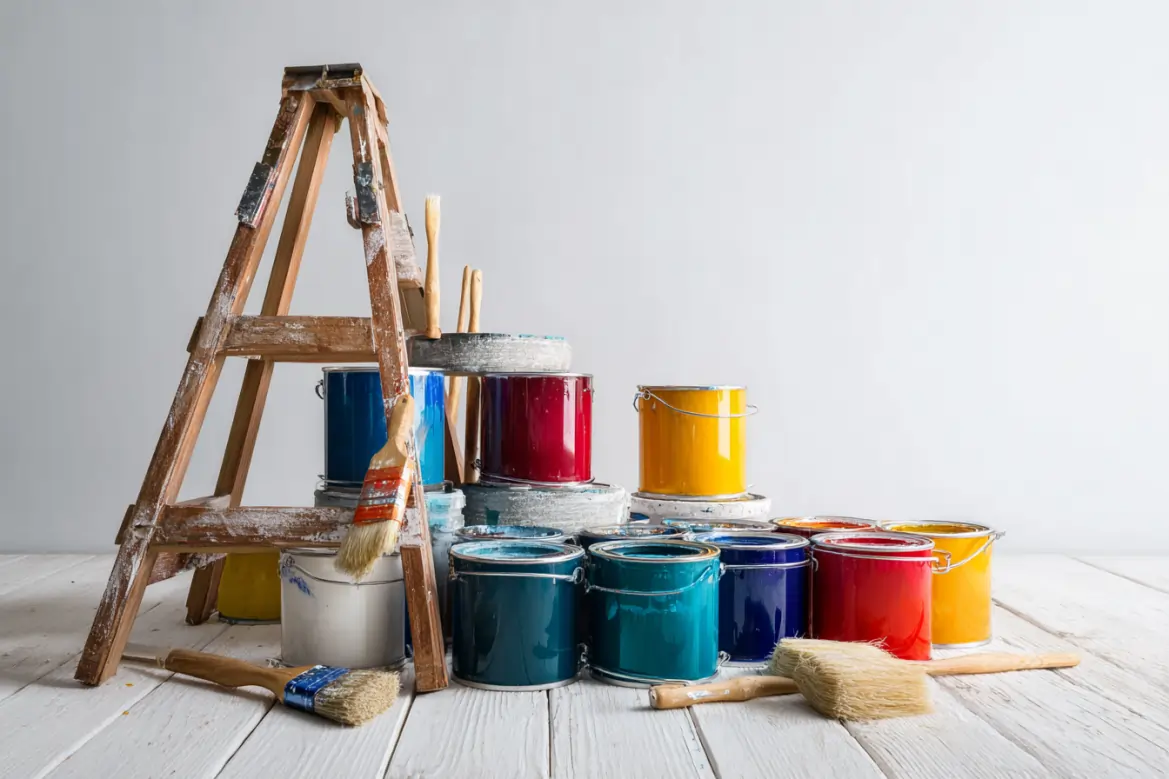
When it comes to painting, preparation is often the defining factor between a professional-looking finish and a job that feels rushed or incomplete. Taking the time to prepare properly not only ensures better results but can also save you time and effort in the long run. Below are key steps and considerations to help you prepare like a pro for your next paint project.
Assess Your Space
Before diving into your project, take stock of the area you’re working on.
- Inspecting Surfaces: Look for cracks, holes, peeling paint, or uneven textures. Repair any imperfections before painting.
- Measuring Dimensions: Accurately measure walls, ceilings, or furniture to determine how much paint you’ll need.
- Understanding Environmental Conditions: Consider factors like humidity, temperature, and ventilation since these can affect how paint adheres and dries.
Gather the Right Tools
Having the right tools at your disposal is essential for achieving clean and professional results.
- Painter’s Tape– For masking edges and creating sharp lines.
- Drop Cloths or Plastic Sheeting– To protect floors and furniture from splatters.
- Paint Trays & Liners– Makes cleanup easier while preventing color contamination.
- Sandpaper or Sanding Block– To smooth surfaces before applying primer or paint.
Prepare Your Surfaces
- Cleaning Walls: Use mild soap and water or TSP (trisodium phosphate) cleaner to remove dirt, grease, or dust from walls.
- Sanding Rough Spots: Smooth out any existing bumps using sandpaper; this step is particularly important if you’re painting over glossy finishes.
- Patching Damages: Fill in nail holes, cracks, or dents with spackling paste. Once dry, sand it down until smooth.
| Task | Recommended Tool/Material |
| Cleaning walls | Mild soap/TSP cleaner & sponge |
| Filling holes/cracks | Spackling paste & putty knife |
| Sanding | Medium-grit sandpaper (120–150 grit) |
Choose Quality Paints
Investing in good-quality paint makes all the difference in achieving professional results.
- Offer excellent coverage with fewer coats.
- Contain low VOCs (volatile organic compounds) for healthier indoor air quality.
- Are washable and resistant to stains if used in high-traffic areas.
Consider testing sample swatches on your wall to preview how colors look under different lighting conditions throughout the day.
Protect Your Workspace
- Move furniture away from walls or out of the room entirely.
- Lay down drop cloths over flooring to catch drips or spills.
- Mask edges of window frames, doorways, baseboards, light switches, and electrical outlets using painter’s tape.
Double Check Before You Start
- Stir your paint thoroughly for uniform color consistency.
- Verify that all repairs are smooth after drying completely.
- Ensure your tools are clean and ready to use.
By investing time upfront in proper preparation techniques such as these, you’ll set yourself up for success when tackling any painting project—whether it’s an accent wall in your living room or a full home refresh.
Pro-Level Tips for House Painting Toledo OH: Achieve a Smooth and Polished Finish
Achieving a smooth and polished finish when painting is not just about the type of paint you choose—it’s also about preparation, technique, and tools. Below are professional tips and tricks that can help you elevate your painting project to a pro-level result.
Expert Surface Preparation by a Leading Painting Company Toledo OH
Proper preparation is essential for achieving a flawless finish. Skipping this step often leads to uneven surfaces, poor paint adherence, or visible imperfections.
- Clean the surface– Remove any dirt, grease, or dust using soap and water or an appropriate cleaning solution. For tougher stains, consider using trisodium phosphate (TSP).
- Sand uneven areas– Use sandpaper to smooth out any bumps, chipped paint, or rough spots before applying primer or paint. A sanding block or orbital sander works well for larger surfaces.
- Fill holes and cracks– Apply spackling paste or wood filler to cover imperfections. Once dry, sand it down for a seamless finish.
- Prime the surface– Primer is essential for ensuring an even topcoat while enhancing paint adhesion. Choose the right primer based on your wall material (e. g. , drywall vs. wood).
Invest in Quality Interior & Exterior Painting Toledo OH Services
Using high-quality tools makes a noticeable difference in both application ease and the final outcome.
| Tool Type | Recommended Option | Benefits |
| Brushes | Nylon/polyester blend for latex paint | Smooth application; easy cleanup |
| Rollers | 3/8-inch nap roller for walls | Even coverage; minimizes streaks |
| Paint Tray | Sturdy tray with ridges | Helps evenly load rollers |
| Painter’s Tape | High-quality tape like FrogTape | Crisp lines; prevents bleeding edges |
Use Proper Techniques While Painting
Even with premium tools and materials at hand, the techniques you use during application significantly influence the result.
- Work in small sections– Break down walls into manageable areas of 3–4 feet wide to maintain wet edges during rolling.
- Load your brush/roller correctly– Avoid overloading tools with too much paint. Tap off excess from brushes or use ridges on trays to remove excess from rollers.
- Roll in “W” patterns– This method ensures even distribution of paint across the surface without leaving roller marks.
Control Your Environment
External factors such as lighting and temperature can impact your results.
- Optimize lighting– Use natural daylight whenever possible. If working at night or in dim areas, ensure sufficient artificial lighting with minimal shadows.
- Maintain proper ventilation– Good airflow helps speed up drying time while preventing strong fumes from lingering indoors.
- Watch temperature/humidity levels– Ideal temperatures for interior painting range between 50–85°F (10–29°C). High humidity can slow down drying times and cause uneven finishes.
Don’t Rush Between Coats
Patience is critical when it comes to achieving professional-level results.
- Allow each coat of primer or paint to dry fully before proceeding with additional layers—this ensures better adhesion between coats.
- Lightly sand between coats using fine-grit sandpaper (220 grit) if necessary; this step softens imperfections left by brushes or rollers.
- Follow manufacturer-recommended drying times listed on your paint can label—they may vary depending on room conditions like temperature or humidity.
By adopting these pro-level painting tips into your process—from preparation through final touches—you’ll be better equipped to achieve smooth finishes that stand out as polished works of craftsmanship.
Pro-Level Painting Tips and Tricks for a Smooth and Polished Finish
Achieving a smooth, professional-quality finish in your painting project requires careful planning, the right techniques, and attention to detail. Whether you are an experienced painter or tackling your first project, these pro-level tips and tricks will help ensure polished results.
- Painter’s Tape: Use tape with clean-release technology to prevent residue and ensure sharp paint lines.
| Tool | Recommended Type | Purpose |
| Brushes | Synthetic or Natural Bristle | Precise edging and small areas |
| Rollers | Nap tailored to texture | Efficient coverage on walls |
| Painter’s Tape | Clean-release type | Sharp lines and easy removal |
- Clean surfaces to remove dust, dirt, grease, or mildew using soap or trisodium phosphate (TSP).
- Repair cracks or holes in walls with spackle or joint compound. Sand smooth once dry.
- Prime surfaces where necessary—bare drywall, repaired patches, or areas transitioning between dramatically different colors require primer.
- Cutting InThis ensures precise coverage near corners and trim.
- Work in Sections: Divide large walls into smaller sections to keep edges wet as you paint; this prevents lap marks.
- Roller Technique: Load the roller evenly with paint using a tray grid to remove excess before application. Apply with a “W” pattern to distribute paint evenly before smoothing it out.
- Avoid overloading tools as excess paint can drip or cause uneven textures.
- If necessary, thin thick paints slightly per manufacturer recommendations by adding small amounts of water (for water-based) or mineral spirits (for oil-based).
- Work under natural light whenever possible to spot imperfections early.
- Use portable LED lights in darker spaces like basements.
| Step | Suggested Time |
| Between coats of paint | 2–4 hours |
| After applying primer | Follow label instructions |
| Final drying/curing | Up to 24–72 hours |
By following these pro-level practices, your painting project will have that smooth and polished result often associated with professional work while maintaining durability over time.
Balancing Cost and Quality with Smart Painting Strategies for Your Home
When tackling a home painting project, balancing cost and quality is essential to achieving a durable and visually appealing finish without overspending. By employing thoughtful strategies, you can maximize the value of your investment while ensuring top-notch results. Here’s how to approach your painting project with a smart balance of cost and quality.
Choose the Right Paint for Your Needs
Selecting the right paint is critical to balancing cost and quality.
- Latex Paint: Ideal for walls, ceilings, and high-traffic areas; offers durability and easy cleaning.
- Oil-Based Paint: Suitable for trim, molding, or surfaces requiring a glossy finish but tends to be more expensive.
- Matte or flat finishes hide imperfections but are less durable in high-use spaces.
- Semi-gloss or satin finishes offer durability and are easier to clean, making them well-suited for kitchens or bathrooms.
- Coverage Per Gallon: Higher-quality paints often require fewer coats due to better pigmentation, saving both time and money in the long run.
Using proper tools can significantly improve the outcome of your painting project without drastically increasing costs.
- Rollers with High-Density Foam– These ensure even coverage while reducing paint wastage.
- Angled Brushes– Perfect for cutting in edges cleanly without expensive tape.
- Drop Cloths or Tarps– Reusable options like canvas tarps save money over disposable plastic sheets.
- Painter’s Tape– Helps achieve straight lines while protecting trim or baseboards.
Cheap tools might save upfront costs but often lead to uneven application or additional cleanup time.
Plan Efficiently to Minimize Waste
- Measure all surfaces you intend to cover carefully before purchasing paint.
- Use this formula: (Wall height x Wall width) x Number of walls = Total square footage. Divide total square footage by the coverage per gallon listed on your chosen paint label.
- Purchase small samples before committing to larger quantities; this prevents costly mistakes with colors that look different under various lighting conditions.
- Avoid overbuying—many stores accept unused cans of unopened paint for returns.
DIY vs Professional Help
| Aspect | DIY Approach | Professional Help |
| Cost | Lower upfront cost | Higher upfront investment |
| Time Commitment | Longer completion time | Faster results via experienced teams |
| Finish Quality | Depends on skill level | Consistent professional finish |
For smaller projects like single rooms or accent walls, DIY may be more economical. However, for complex jobs involving textured surfaces or exterior work, investing in professional services from https://www.toledopainters.net might yield better long-term value.
Use Cost-Saving Tips Without Compromising Quality
- Buy generic primer instead of branded options if it’s compatible with your chosen paint type.
- Reuse leftover paints from previous projects by mixing them (if similar in type) for undercoats on unimportant areas.
- Wait until local hardware stores hold seasonal sales on paints and painting supplies—this can reduce overall expenditure.
Balancing cost with quality doesn’t mean sacrificing aesthetics or durability. With careful planning, smart purchases, and thoughtful execution, you can create a beautifully painted home that stands up over time without breaking your budget.
Interior House Painting Tips to Save Time and Reduce Stress
Painting the interior of your home can be a rewarding project that transforms your spaces. However, without proper planning and techniques, it can become a time-consuming and stressful task. Here are some practical tips to help you save time and reduce stress while ensuring professional-looking results.
Plan Ahead for Efficiency
A well-thought-out plan is the foundation of any successful painting project.
- Choose colors wisely: Test small swatches on walls during different times of the day to see how lighting affects the color.
- Gather supplies in advance: Ensure you have all necessary tools, such as paint rollers, brushes, painter’s tape, drop cloths, and a paint tray.
- Calculate paint quantity: Use an online paint calculator or consult with a professional to determine how much paint you’ll need. This prevents unnecessary trips back to the store.
Prep Your Space Properly
Preparation is key to saving time during painting and avoiding mistakes that require touch-ups later.
- Declutter the area: Remove furniture or cover it with plastic sheets to protect against accidental spills.
- Clean walls thoroughly: Dust, grease, or stains can prevent paint from adhering properly. Use a mild detergent solution or TSP (trisodium phosphate) cleaner for best results.
- Repair imperfections: Fill holes or cracks with spackling paste and sand smooth once dry for even application.
- Apply painter’s tape carefully: Tape edges around trim, windowsills, and ceilings for clean lines—press firmly along the tape edge to prevent bleeding.
Use Smart Painting Techniques
- Paint one wall at a time using consistent strokes.
- Use an angled brush for corners and edges (also known as “cutting in”) before switching to rollers for large surfaces.
- Work in small sections to maintain consistent coverage while keeping a wet edge.
- Avoid overloading your roller; instead, roll off excess paint on the tray grid for smoother application.
Time-Saving Painting Tools
| Tool | Benefit |
| Paint sprayer | Covers large areas quickly with smooth finishes |
| Extendable roller pole | Reduces strain by allowing access to high walls |
| Paint edger | Creates sharp lines along edges without tape |
| Drop cloths | Protects floors from spills without frequent cleanup |
Minimize Cleanup Hassle
- Line your paint trays with foil or plastic liners for quick disposal.
- Wrap brushes and rollers in plastic wrap between coats if working over multiple days.
- Store leftover paint properly by sealing cans tightly and labeling them with room details for future touch-ups.
By following these tips and tricks, you’ll not only save time but also enjoy a less stressful experience when tackling your next interior house painting project.
Interior House Painting Tips to Save Time and Reduce Stress
Painting the interior of your house can be a daunting task, especially when juggling busy schedules, tight deadlines, or limited experience. However, the process doesn’t have to be stressful or time-consuming if you approach it strategically. Here are some professional tips to help you save time and reduce stress while achieving outstanding results.
Preparing adequately before beginning your painting project sets the foundation for success.
- Choose Colors Wisely: Test paint swatches on your walls during different times of the day to see how lighting impacts the color.
- Calculate Paint Quantity: Use an online paint calculator or consult with a professional to avoid overbuying or running out mid-project.
- Gather Necessary Supplies: Beyond paint and brushes, ensure you have drop cloths, painter’s tape, rollers with extensions, stir sticks, and a ladder.
Clearing your workspace saves time during painting and prevents accidents.
- Move furniture away from walls or into another room entirely.
- Cover large items with plastic sheeting or canvas drop cloths.
- Tape edges of trim, windowsills, baseboards, and outlets for clean lines.
- Lay down protective coverings on floors to avoid spills and stains.
Pro Tip: Use reusable canvas drop cloths instead of plastic sheets. They’re more durable and environmentally friendly.
Skipping surface prep is one of the most common mistakes people make when painting interiors.
- Clean Surfaces: Wash walls with mild soap and water to remove dirt, grease, or dust that could affect paint adhesion.
- Repair Imperfections: Fill holes or cracks using spackle or joint compound; sand smooth once dry.
- Prime Where Necessary: Apply primer to areas with stains, new drywall, or drastic color changes for better coverage.
- Use a high-quality roller for large areas like walls and ceilings; reserve brushes for edges and trim work.
- Roll in a “W” pattern to distribute paint evenly without streaking.
- Paint one wall at a time instead of working across multiple surfaces simultaneously—this avoids uneven drying patches.
| Task | Approximate Time Needed |
| Prepping surfaces | 1–2 hours (per room) |
| Taping edges | 30–45 minutes (per room) |
| Rolling/Brushing Walls | 1–3 hours (depending on size) |
| Cleanup | 30 minutes |
Tips: – Allocate time for breaks between coats—most paints require at least two coats with drying intervals of around two hours.
- Wipe up drips immediately using a damp cloth before they dry.
- Wrap brushes in plastic wrap during short breaks instead of washing them repeatedly.
- Safely dispose of used painter’s tape after finishing edges.
By incorporating these strategies into your next interior house painting project, you’ll not only save valuable time but also make the entire process feel far less overwhelming while producing professional-level results tailored to your space.
- Preparing Like Professional Painters Toledo OH Before Starting Your Next Paint Project
- How to Determine the Right Time for House Painting in Toledo OH
- How to Tell If Your Home Needs a Fresh Coat of Paint with Help from a Painting Company Toledo OH
- Essential Painting 101 Tips from Experts in House Painting Toledo OH
- Your Ultimate Beginner’s Guide to House Painting in Toledo OH: Transform Any Space
- 7 Signs Your Home Needs a Fresh Look from a Painting Company Toledo OH
- Interior and Exterior Painting: Expert Tips from a Top Painting Company Toledo OH