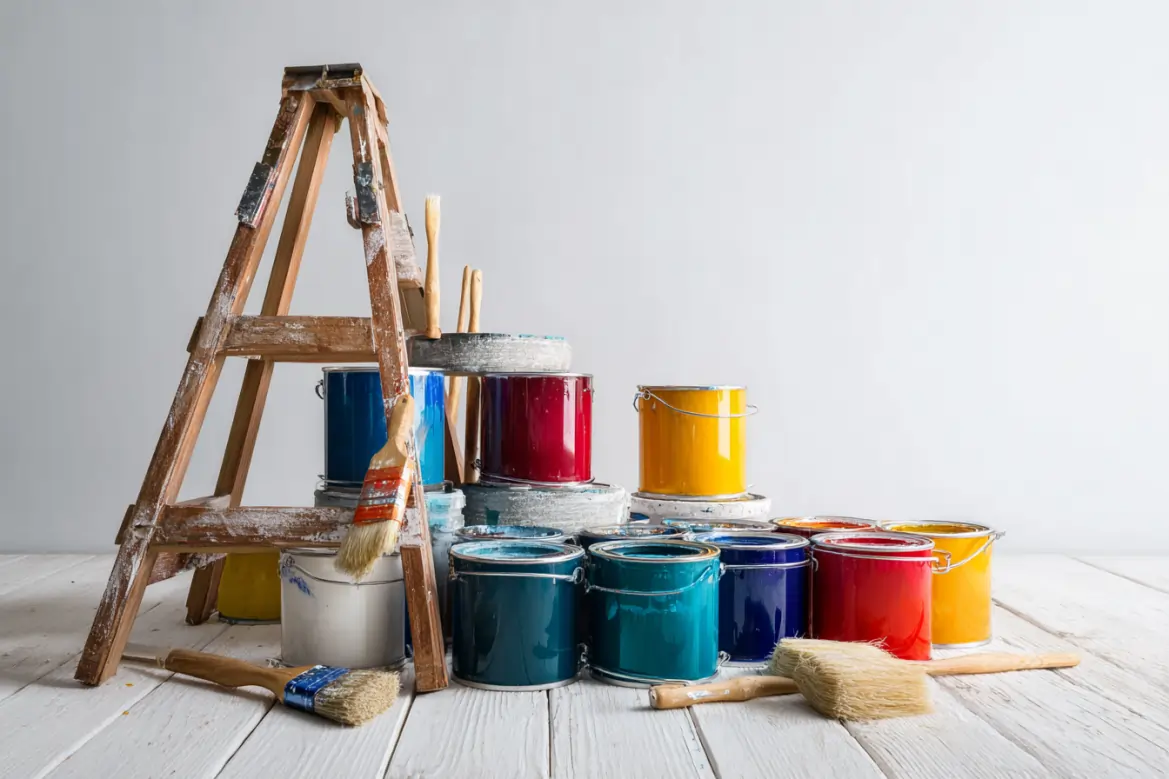
toledo oh painters

When it comes to painting, preparation is often the defining factor between a professional-looking finish and a job that feels rushed or incomplete. Taking the time to prepare properly not only ensures better results but can also save you time and effort in the long run. Below are key steps and considerations to help you prepare like a pro for your next paint project.

Assess Your Space

Before diving into your project, take stock of the area you’re working on.

  • Inspecting Surfaces: Look for cracks, holes, peeling paint, or uneven textures. Repair any imperfections before painting.
  • Measuring Dimensions: Accurately measure walls, ceilings, or furniture to determine how much paint you’ll need.
  • Understanding Environmental Conditions: Consider factors like humidity, temperature, and ventilation since these can affect how paint adheres and dries.

Gather the Right Tools

Having the right tools at your disposal is essential for achieving clean and professional results.

  1. Painter’s Tape– For masking edges and creating sharp lines.
  2. Drop Cloths or Plastic Sheeting– To protect floors and furniture from splatters.
  3. Paint Trays & Liners– Makes cleanup easier while preventing color contamination.
  4. Sandpaper or Sanding Block– To smooth surfaces before applying primer or paint.

Prepare Your Surfaces

  • Cleaning Walls: Use mild soap and water or TSP (trisodium phosphate) cleaner to remove dirt, grease, or dust from walls.
  • Sanding Rough Spots: Smooth out any existing bumps using sandpaper; this step is particularly important if you’re painting over glossy finishes.
  • Patching Damages: Fill in nail holes, cracks, or dents with spackling paste. Once dry, sand it down until smooth.
Task Recommended Tool/Material
Cleaning walls Mild soap/TSP cleaner & sponge
Filling holes/cracks Spackling paste & putty knife
Sanding Medium-grit sandpaper (120–150 grit)

Choose Quality Paints

Investing in good-quality paint makes all the difference in achieving professional results.

  • Offer excellent coverage with fewer coats.
  • Contain low VOCs (volatile organic compounds) for healthier indoor air quality.
  • Are washable and resistant to stains if used in high-traffic areas.

Consider testing sample swatches on your wall to preview how colors look under different lighting conditions throughout the day.

Protect Your Workspace

  1. Move furniture away from walls or out of the room entirely.
  2. Lay down drop cloths over flooring to catch drips or spills.
  3. Mask edges of window frames, doorways, baseboards, light switches, and electrical outlets using painter’s tape.

Double Check Before You Start

  • Stir your paint thoroughly for uniform color consistency.
  • Verify that all repairs are smooth after drying completely.
  • Ensure your tools are clean and ready to use.

By investing time upfront in proper preparation techniques such as these, you’ll set yourself up for success when tackling any painting project—whether it’s an accent wall in your living room or a full home refresh.

Pro-Level Tips for House Painting Toledo OH: Achieve a Smooth and Polished Finish

Achieving a smooth and polished finish when painting is not just about the type of paint you choose—it’s also about preparation, technique, and tools. Below are professional tips and tricks that can help you elevate your painting project to a pro-level result.

Expert Surface Preparation by a Leading Painting Company Toledo OH

Proper preparation is essential for achieving a flawless finish. Skipping this step often leads to uneven surfaces, poor paint adherence, or visible imperfections.

  • Clean the surface– Remove any dirt, grease, or dust using soap and water or an appropriate cleaning solution. For tougher stains, consider using trisodium phosphate (TSP).
  • Sand uneven areas– Use sandpaper to smooth out any bumps, chipped paint, or rough spots before applying primer or paint. A sanding block or orbital sander works well for larger surfaces.
  • Fill holes and cracks– Apply spackling paste or wood filler to cover imperfections. Once dry, sand it down for a seamless finish.
  • Prime the surface– Primer is essential for ensuring an even topcoat while enhancing paint adhesion. Choose the right primer based on your wall material (e. g. , drywall vs. wood).

Invest in Quality Interior & Exterior Painting Toledo OH Services

Using high-quality tools makes a noticeable difference in both application ease and the final outcome.

Tool Type Recommended Option Benefits
Brushes Nylon/polyester blend for latex paint Smooth application; easy cleanup
Rollers 3/8-inch nap roller for walls Even coverage; minimizes streaks
Paint Tray Sturdy tray with ridges Helps evenly load rollers
Painter’s Tape High-quality tape like FrogTape Crisp lines; prevents bleeding edges

Use Proper Techniques While Painting

Even with premium tools and materials at hand, the techniques you use during application significantly influence the result.

  • Work in small sections– Break down walls into manageable areas of 3–4 feet wide to maintain wet edges during rolling.
  • Load your brush/roller correctly– Avoid overloading tools with too much paint. Tap off excess from brushes or use ridges on trays to remove excess from rollers.
  • Roll in “W” patterns– This method ensures even distribution of paint across the surface without leaving roller marks.

Control Your Environment

External factors such as lighting and temperature can impact your results.

  • Optimize lighting– Use natural daylight whenever possible. If working at night or in dim areas, ensure sufficient artificial lighting with minimal shadows.
  • Maintain proper ventilation– Good airflow helps speed up drying time while preventing strong fumes from lingering indoors.
  • Watch temperature/humidity levels– Ideal temperatures for interior painting range between 50–85°F (10–29°C). High humidity can slow down drying times and cause uneven finishes.

Don’t Rush Between Coats

Patience is critical when it comes to achieving professional-level results.

  1. Allow each coat of primer or paint to dry fully before proceeding with additional layers—this ensures better adhesion between coats.
  2. Lightly sand between coats using fine-grit sandpaper (220 grit) if necessary; this step softens imperfections left by brushes or rollers.
  3. Follow manufacturer-recommended drying times listed on your paint can label—they may vary depending on room conditions like temperature or humidity.

By adopting these pro-level painting tips into your process—from preparation through final touches—you’ll be better equipped to achieve smooth finishes that stand out as polished works of craftsmanship.

Pro-Level Painting Tips and Tricks for a Smooth and Polished Finish

Achieving a smooth, professional-quality finish in your painting project requires careful planning, the right techniques, and attention to detail. Whether you are an experienced painter or tackling your first project, these pro-level tips and tricks will help ensure polished results.

  • Painter’s Tape: Use tape with clean-release technology to prevent residue and ensure sharp paint lines.
Tool Recommended Type Purpose
Brushes Synthetic or Natural Bristle Precise edging and small areas
Rollers Nap tailored to texture Efficient coverage on walls
Painter’s Tape Clean-release type Sharp lines and easy removal
  • Clean surfaces to remove dust, dirt, grease, or mildew using soap or trisodium phosphate (TSP).
  • Repair cracks or holes in walls with spackle or joint compound. Sand smooth once dry.
  • Prime surfaces where necessary—bare drywall, repaired patches, or areas transitioning between dramatically different colors require primer.
  • Cutting InThis ensures precise coverage near corners and trim.
  • Work in Sections: Divide large walls into smaller sections to keep edges wet as you paint; this prevents lap marks.
  • Roller Technique: Load the roller evenly with paint using a tray grid to remove excess before application. Apply with a “W” pattern to distribute paint evenly before smoothing it out.
  • Avoid overloading tools as excess paint can drip or cause uneven textures.
  • If necessary, thin thick paints slightly per manufacturer recommendations by adding small amounts of water (for water-based) or mineral spirits (for oil-based).
  • Work under natural light whenever possible to spot imperfections early.
  • Use portable LED lights in darker spaces like basements.
Step Suggested Time
Between coats of paint 2–4 hours
After applying primer Follow label instructions
Final drying/curing Up to 24–72 hours

By following these pro-level practices, your painting project will have that smooth and polished result often associated with professional work while maintaining durability over time.

Balancing Cost and Quality with Smart Painting Strategies for Your Home

When tackling a home painting project, balancing cost and quality is essential to achieving a durable and visually appealing finish without overspending. By employing thoughtful strategies, you can maximize the value of your investment while ensuring top-notch results. Here’s how to approach your painting project with a smart balance of cost and quality.

Choose the Right Paint for Your Needs

Selecting the right paint is critical to balancing cost and quality.

  • Latex Paint: Ideal for walls, ceilings, and high-traffic areas; offers durability and easy cleaning.
  • Oil-Based Paint: Suitable for trim, molding, or surfaces requiring a glossy finish but tends to be more expensive.
  • Matte or flat finishes hide imperfections but are less durable in high-use spaces.
  • Semi-gloss or satin finishes offer durability and are easier to clean, making them well-suited for kitchens or bathrooms.
  • Coverage Per Gallon: Higher-quality paints often require fewer coats due to better pigmentation, saving both time and money in the long run.

Using proper tools can significantly improve the outcome of your painting project without drastically increasing costs.

  1. Rollers with High-Density Foam– These ensure even coverage while reducing paint wastage.
  2. Angled Brushes– Perfect for cutting in edges cleanly without expensive tape.
  3. Drop Cloths or Tarps– Reusable options like canvas tarps save money over disposable plastic sheets.
  4. Painter’s Tape– Helps achieve straight lines while protecting trim or baseboards.

Cheap tools might save upfront costs but often lead to uneven application or additional cleanup time.

Plan Efficiently to Minimize Waste

  • Measure all surfaces you intend to cover carefully before purchasing paint.
  • Use this formula: (Wall height x Wall width) x Number of walls = Total square footage. Divide total square footage by the coverage per gallon listed on your chosen paint label.
  • Purchase small samples before committing to larger quantities; this prevents costly mistakes with colors that look different under various lighting conditions.
  • Avoid overbuying—many stores accept unused cans of unopened paint for returns.

DIY vs Professional Help

Aspect DIY Approach Professional Help
Cost Lower upfront cost Higher upfront investment
Time Commitment Longer completion time Faster results via experienced teams
Finish Quality Depends on skill level Consistent professional finish

For smaller projects like single rooms or accent walls, DIY may be more economical. However, for complex jobs involving textured surfaces or exterior work, investing in professional services from https://www.toledopainters.net might yield better long-term value.

Use Cost-Saving Tips Without Compromising Quality

  • Buy generic primer instead of branded options if it’s compatible with your chosen paint type.
  • Reuse leftover paints from previous projects by mixing them (if similar in type) for undercoats on unimportant areas.
  • Wait until local hardware stores hold seasonal sales on paints and painting supplies—this can reduce overall expenditure.

Balancing cost with quality doesn’t mean sacrificing aesthetics or durability. With careful planning, smart purchases, and thoughtful execution, you can create a beautifully painted home that stands up over time without breaking your budget.

Interior House Painting Tips to Save Time and Reduce Stress

Painting the interior of your home can be a rewarding project that transforms your spaces. However, without proper planning and techniques, it can become a time-consuming and stressful task. Here are some practical tips to help you save time and reduce stress while ensuring professional-looking results.

Plan Ahead for Efficiency

A well-thought-out plan is the foundation of any successful painting project.

  • Choose colors wisely: Test small swatches on walls during different times of the day to see how lighting affects the color.
  • Gather supplies in advance: Ensure you have all necessary tools, such as paint rollers, brushes, painter’s tape, drop cloths, and a paint tray.
  • Calculate paint quantity: Use an online paint calculator or consult with a professional to determine how much paint you’ll need. This prevents unnecessary trips back to the store.

Prep Your Space Properly

Preparation is key to saving time during painting and avoiding mistakes that require touch-ups later.

  1. Declutter the area: Remove furniture or cover it with plastic sheets to protect against accidental spills.
  2. Clean walls thoroughly: Dust, grease, or stains can prevent paint from adhering properly. Use a mild detergent solution or TSP (trisodium phosphate) cleaner for best results.
  3. Repair imperfections: Fill holes or cracks with spackling paste and sand smooth once dry for even application.
  4. Apply painter’s tape carefully: Tape edges around trim, windowsills, and ceilings for clean lines—press firmly along the tape edge to prevent bleeding.

Use Smart Painting Techniques

  • Paint one wall at a time using consistent strokes.
  • Use an angled brush for corners and edges (also known as “cutting in”) before switching to rollers for large surfaces.
  • Work in small sections to maintain consistent coverage while keeping a wet edge.
  • Avoid overloading your roller; instead, roll off excess paint on the tray grid for smoother application.

Time-Saving Painting Tools

Tool Benefit
Paint sprayer Covers large areas quickly with smooth finishes
Extendable roller pole Reduces strain by allowing access to high walls
Paint edger Creates sharp lines along edges without tape
Drop cloths Protects floors from spills without frequent cleanup

Minimize Cleanup Hassle

  • Line your paint trays with foil or plastic liners for quick disposal.
  • Wrap brushes and rollers in plastic wrap between coats if working over multiple days.
  • Store leftover paint properly by sealing cans tightly and labeling them with room details for future touch-ups.

By following these tips and tricks, you’ll not only save time but also enjoy a less stressful experience when tackling your next interior house painting project.

Interior House Painting Tips to Save Time and Reduce Stress

Painting the interior of your house can be a daunting task, especially when juggling busy schedules, tight deadlines, or limited experience. However, the process doesn’t have to be stressful or time-consuming if you approach it strategically. Here are some professional tips to help you save time and reduce stress while achieving outstanding results.

Preparing adequately before beginning your painting project sets the foundation for success.

  • Choose Colors Wisely: Test paint swatches on your walls during different times of the day to see how lighting impacts the color.
  • Calculate Paint Quantity: Use an online paint calculator or consult with a professional to avoid overbuying or running out mid-project.
  • Gather Necessary Supplies: Beyond paint and brushes, ensure you have drop cloths, painter’s tape, rollers with extensions, stir sticks, and a ladder.

Clearing your workspace saves time during painting and prevents accidents.

  • Move furniture away from walls or into another room entirely.
  • Cover large items with plastic sheeting or canvas drop cloths.
  • Tape edges of trim, windowsills, baseboards, and outlets for clean lines.
  • Lay down protective coverings on floors to avoid spills and stains.

Pro Tip: Use reusable canvas drop cloths instead of plastic sheets. They’re more durable and environmentally friendly.

Skipping surface prep is one of the most common mistakes people make when painting interiors.

  1. Clean Surfaces: Wash walls with mild soap and water to remove dirt, grease, or dust that could affect paint adhesion.
  2. Repair Imperfections: Fill holes or cracks using spackle or joint compound; sand smooth once dry.
  3. Prime Where Necessary: Apply primer to areas with stains, new drywall, or drastic color changes for better coverage.
  • Use a high-quality roller for large areas like walls and ceilings; reserve brushes for edges and trim work.
  • Roll in a “W” pattern to distribute paint evenly without streaking.
  • Paint one wall at a time instead of working across multiple surfaces simultaneously—this avoids uneven drying patches.
Task Approximate Time Needed
Prepping surfaces 1–2 hours (per room)
Taping edges 30–45 minutes (per room)
Rolling/Brushing Walls 1–3 hours (depending on size)
Cleanup 30 minutes

Tips: – Allocate time for breaks between coats—most paints require at least two coats with drying intervals of around two hours.

  • Wipe up drips immediately using a damp cloth before they dry.
  • Wrap brushes in plastic wrap during short breaks instead of washing them repeatedly.
  • Safely dispose of used painter’s tape after finishing edges.

By incorporating these strategies into your next interior house painting project, you’ll not only save valuable time but also make the entire process feel far less overwhelming while producing professional-level results tailored to your space.


Worker standing on ladders with the equipment Middle age painter standing in room in coveralls holding paint roller and bucket house painting stock pictures, royalty-free photos & images

Repainting your home’s interior is both a practical and aesthetic decision. Over time, walls can lose their appeal due to wear and tear, and updating the paint can instantly refresh your space. Determining the right time to repaint depends on several factors that range from visible signs of deterioration to changes in personal style preferences.

Signs It’s Time to Repaint

  1. Fading Colors
    Paint will naturally fade over time, especially in areas exposed to abundant sunlight. Faded walls can make rooms appear dull and reduce the vibrance of your interiors.
  2. Peeling or Cracking Paint
    If you notice peeling, cracking, or bubbling paint on your walls, it’s a clear sign that it’s time for a new coat. Such issues often develop due to excess moisture or poor surface preparation during a previous paint job.
  3. Stains That Won’t Come Off
    Stubborn stains from water damage, grease, or general wear can detract from the overall look of a room even after cleaning. Repainting is often the best way to cover such blemishes.
  4. Frequent Scuff Marks
    High-traffic areas like hallways and kids’ rooms may develop scuff marks over time that are difficult to clean off completely.
  5. Outdated Color Scheme
    Trends in interior design change frequently, and what was once modern might now feel outdated. If your wall colors no longer match your décor or personal style, it could be time for an update.

Recommended Timelines for Repainting

Room Type Recommended Repainting Frequency
Living Rooms Every 5-7 years
Kitchens Every 3-5 years
Bathrooms Every 3-4 years (due to humidity)
Bedrooms Every 5-7 years
Hallways/Entryways Every 2-4 years (high traffic)

Benefits of Proper Timing

Repainting at the right intervals offers significant benefits:
Enhanced Aesthetics: Fresh paint revitalizes spaces and creates an inviting environment. – Increased Durability: A new coat protects walls from further damage caused by moisture or grime buildup. – Improved Home Value: Maintaining updated interiors increases property appeal for potential buyers if you plan to sell in the future.

Factors Influencing Timing

  1. Quality of Previous Paint Job: Low-quality paints tend to fade or peel faster.
  2. Environmental Conditions: Homes in humid climates may require more frequent updates due to mold growth risks.
  3. Lifestyle Patterns: A household with young children or pets may need touch-ups more often because of increased wall contact.
  4. Light Exposure: Sunlit areas typically experience faster color fading than shaded rooms.

Final Thoughts

By paying attention to visible signs like fading colors or peeling paint and adhering to recommended timelines based on room type, homeowners can maintain attractive interiors while protecting their walls from long-term damage. Regular upkeep not only ensures a visually pleasing home but also minimizes costly repairs down the line through proper care and maintenance strategies like timely repainting decisions.

Finding the Best Painters Toledo OH for Your Perfect Paint Needs

When selecting paint for your home or workspace, it is essential to consider the type of paint that fits your specific needs. Paints are not one-size-fits-all; they come in various formulations, finishes, and categories designed to cater to different surfaces, usage areas, and preferences. Below is a detailed look at some of the most common paint product categories to help you make an informed decision.

1. Interior Paints

Interior paints are formulated specifically for indoor use and are designed to provide durability and aesthetic appeal while minimizing odors and harmful emissions. Key considerations for choosing interior paints include color selection, finish type, and ease of cleaning.

  • Matte/Flat: Ideal for low-traffic areas; hides imperfections effectively.
  • Eggshell: Provides a slight sheen; suitable for living rooms or bedrooms.
  • Satin: Durable and commonly used in high-traffic areas like hallways or kitchens.
  • Semi-Gloss & Gloss: Best suited for trim, doors, and spaces requiring easy cleaning.
  • Low-VOC (Volatile Organic Compounds) options
  • Stain-resistant formulations
  • Washable finishes

2. Exterior Paints

Exterior paints are built to endure harsh weather conditions such as rain, UV rays, wind, and temperature fluctuations. They provide long-lasting protection while enhancing curb appeal.

  • Weather resistance
  • UV protection to prevent fading
  • Mildew-resistant properties
  • Types Based on Surfaces: | Type | Common Use | Notes | |——————-|———————————|———————————————| | Acrylic-based | Wood siding, brick | Flexible and resists cracking | | Oil-based | Metal surfaces | Excellent adhesion; slow drying | | Elastomeric | Masonry or stucco walls | Extremely durable; fills small cracks |

3. Specialty Paints

Specialty paints cater to specific needs that go beyond standard wall painting tasks. These products add functionality and unique aesthetics.

  • Chalkboard Paint: Converts walls into writable surfaces.
  • Metallic Paint: Adds a reflective sheen ideal for accent walls or furniture.
  • Fire-retardant Paint: Enhances fire resistance in commercial spaces.

4. Primer Products

Primers serve as preparatory coatings applied before paint to ensure better adhesion, cover stains or dark colors effectively, and enhance durability.

  • Oil-based primer: Suitable for wood surfaces.
  • Latex-based primer: Used on drywall or plaster walls.

Priming can save time by improving coverage with fewer topcoats of paint.

Choosing the Right Product

To determine which category suits your project best: 1. Assess the surface type (wood vs drywall vs concrete). 2. Consider environmental factors (indoor vs outdoor exposure). 3. Decide on desired aesthetics (flat vs glossy finish). 4. Evaluate functional needs such as mold resistance or washability.

By understanding these product categories and their features, you can ensure both the longevity of your painted surfaces and satisfaction with their appearance over time.

How to Recognize Fading Paint and When to Call a Painting Company Toledo OH

Over time, interior paint can lose its vibrancy and begin to fade. This natural process, while often overlooked, can significantly impact the overall look and feel of your home. Understanding how to recognize fading paint and the potential aesthetic consequences is essential for maintaining the beauty of your living spaces.

Common Signs of Fading Paint

  • Uneven Colour Distribution: Certain areas of a wall or ceiling appear lighter or duller than others. This is often caused by uneven exposure to sunlight or artificial lighting.
  • Loss of Vibrancy: The original richness and depth of the colour have diminished over time.
  • Chalky Residue: In some cases, faded surfaces may develop a powdery texture when touched.
  • Bleached Spots Near Windows: Areas near sunlit windows may appear visibly lighter compared to shaded sections.

Causes Behind Fading Paint

  1. Sunlight Exposure (UV Rays)
    Prolonged exposure to sunlight breaks down paint pigments over time, leading to discoloration and fading. Lighter paints like pastels tend to fade faster than darker shades.
  2. Low-Quality Paints
    Not all paints are created equal. Cheaper paints typically lack high-quality pigments or UV-resistant properties, making them more prone to fading.
  3. Humidity and Moisture Levels
    Excessive humidity can weaken the bond between paint and wall surfaces, accelerating deterioration in colour.
  4. Improper Surface Preparation
    Skipping priming or applying paint on dirty walls can result in inconsistent adherence, increasing susceptibility to environmental conditions.

Effects on Aesthetics

  • Loss of Freshness: Dull walls make interiors seem outdated or poorly maintained.
  • Mismatch with Décor: Faded colours may no longer complement furniture or décor elements previously chosen based on their vibrancy.
  • Decreased Home Value: Visibly faded walls may leave an impression that a property isn’t cared for properly—a critical factor when selling a home.

Tips for Addressing Faded Paint

  1. Repaint with High-Quality Products
    Use premium-grade paints designed with fade-resistant pigments and UV-blocking properties for longer-lasting vibrancy.
  2. Opt for Neutral Tones in Sunlit Areas
    Neutral shades such as whites, beiges, or grays are less prone to visible fading compared to bold colours like reds or blues.
  3. Install Window Treatments
    Curtains, blinds, or UV-protective films can limit direct sunlight exposure on painted surfaces.
  4. Regular Cleaning & Maintenance
    Dusting walls regularly prevents dirt buildup that could dull their appearance prematurely.

Rear View Of Man Painting Wall In Room Of House With Paint Roller Rear View Of Man Painting Wall In Room Of House With Paint Roller house painting stock pictures, royalty-free photos & images

Problem Solution
Sunlight fading Use UV-resistant paints; install curtains/blinds
Chalky residue Repaint after proper cleaning/preparing walls
Uneven fading Ensure even application; use light-reflective coatings

By being proactive about identifying signs of faded paint and addressing them promptly with quality products and proper maintenance practices, you can preserve both the visual appeal and market value of your interior spaces over time.

Understanding the Importance of Interior & Exterior Painting Toledo OH for Aesthetic Appeal

Fading paint is one of the most common signs that your interior spaces may need a refresh. Over time, exposure to light, humidity, and wear can cause paint to lose its vibrancy, which can significantly affect your home’s aesthetic appeal. Recognizing and addressing these changes promptly not only enhances the beauty of a space but also preserves the integrity of your walls.

Causes of Paint Fading

  • Sunlight Exposure: Prolonged exposure to ultraviolet (UV) rays from sunlight can break down paint pigments, leading to noticeable color fading. Rooms with large windows or south-facing walls are especially prone to this issue.
  • Low-Quality Paint: High-quality paints often have better pigment retention and durability compared to cheaper alternatives.
  • Moisture Issues: Humid environments or water damage can cause discoloration over time.
  • Improper Application: Applying fewer coats than recommended or failing to use a proper primer can lead to uneven fading.

Understanding these causes can help you take preventative measures when repainting.

Aesthetic Impacts of Faded Paint

  1. Dull Atmosphere: Vibrant colors often uplift mood and energy within a room. Conversely, faded hues create a dull and lifeless environment.
  2. Uneven Appearance: Partial fading in areas exposed more frequently to light or heat results in patchy walls that detract from the room’s overall design.
  3. Outdated Look: Persistent fading may make a space appear older or neglected regardless of other décor elements.

A fresh coat of paint in such instances not only revives the vibrancy but also gives an updated look aligned with current trends.

Signs That Your Paint is Fading

  • Colors look lighter or washed out compared to their original tone.
  • Distinct patches where sunlight hits consistently appear less vibrant than shaded areas.
  • Increased visibility of underlying wall textures caused by pigment loss.

Prevention Tips for Future Projects

Strategy Benefits
Use UV-resistant paints Protects pigments from sun damage
Invest in high-quality brands Ensures durability and long-lasting color
Apply multiple coats Creates richer coverage with better retention
Install curtains or blinds Reduces exposure in sunlit rooms

When Repainting Becomes Essential

While minor fading may not require immediate action, severe discoloration signals it’s time for a complete refresh. Opting for modern hues or finishes during this process allows you not only to restore beauty but also redefine the room’s character entirely.

Taking proactive steps against fading ensures your home remains visually appealing while extending the lifecycle of each painting project—a worthwhile investment both aesthetically and functionally.

How Outdated Colours Can Influence Your Home’s Appeal and When to Update

The colours within your home’s interior play a pivotal role in shaping its overall ambiance and appeal. Outdated paint colours can make even the most well-maintained home feel uninspired, out of touch with current design trends, or less visually pleasing. Updating your interior colour palette not only enhances your living space’s aesthetics but also aligns it with modern styles and personal preferences.

Why Outdated Colours Matter

  • Perceived Neglect: Faded, muted, or outdated shades can give the impression that a home has not been cared for or updated in years.
  • Mismatch with Current Trends: Colour trends evolve over time. For example, the beige-heavy tones of the early 2000s might now feel monotonous compared to today’s preference for neutral greys or warm earth tones.
  • Impact on Mood: Certain outdated hues may affect the mood of those in a room negatively. For instance, overly dark greens or mustard yellows from decades past can make spaces feel smaller or duller than they actually are.

When Should You Consider Updating Interior Paint?

  1. Noticeable Fading: If sunlight exposure has caused noticeable fading on walls, it’s time for an update.
  2. Mismatch with Décor: New furniture or décor updates that clash with existing wall colours signal that it’s worth reconsidering your palette.
  3. Changing Personal Preferences: Tastes change over time. A colour you once loved may no longer reflect your style today.
  4. Preparing to Sell Your Home: Neutral, updated tones appeal more to prospective buyers than bold or outdated ones.

How to Choose Modern Colours

Selecting modern paint colours involves understanding current trends while ensuring they match your home’s unique character and lighting conditions.

  • Color Trends by Year
    Refer to annual colour forecasts by trusted brands like Sherwin-Williams or Benjamin Moore for inspiration.
Year Popular Color Trend Style Notes
1 Classic Blue Calm yet confident; timeless appeal
2 Aegean Teal Balanced blend of blue-green-grey
3 Evergreen Fog Subtle green-inspired neutral
4 Raspberry Blush Vibrant coral-red

  • Neutral Tones as Safe Choices: Colors such as soft greys, off-whites, or pale beige shades work well for almost any room style while giving a clean and updated look.
  • Accent Wall Considerations: Adding an accent wall in rich tones like navy blue or charcoal grey offers sophistication without overwhelming the space.

Benefits of Updating Paint Colors

  • Increases property value when selling
  • Enhances lighting by choosing brighter shades
  • Reflects personality through trendy yet personalized palettes
  • Creates harmony between furniture and wall colours

By identifying outdated elements in your home’s colour scheme and addressing them thoughtfully, you can create an inviting space that feels fresh and relevant for years to come.

The Effects of Damaged Walls on Paint Appearance and Solutions to Fix Them

Damaged walls can significantly impact the aesthetic appeal of a painted interior. Cracks, dents, peeling paint, or other imperfections not only detract from the overall look but can also cause issues with the longevity and performance of new paint applications. Below is an in-depth discussion on how damaged walls affect paint appearance and effective solutions for addressing these problems.

Common Types of Wall Damage That Affect Paint

  • Cracks in drywall: These can occur due to building settling or structural shifts over time.
  • Peeling or flaking paint: Often caused by moisture issues, poor surface preparation, or using low-quality paint.
  • Nail holes and dents: These small imperfections are often caused by hanging pictures, furniture movement, or general wear and tear.
  • Water stains: Resulting from leaks or high humidity levels.
  • Mold growth: Usually found in areas with poor ventilation or excessive moisture.

Each type of damage requires specific attention to ensure a smooth, long-lasting finish.

How Wall Damage Impacts Paint Appearance

  1. Uneven Surfaces: Cracks, dents, and nail holes disrupt the uniformity of freshly applied paint.
  2. Paint Adhesion Issues: Peeling paint or flaking surfaces make it difficult for new layers to adhere effectively.
  3. Visible Defects Through Paint: Without proper repair work, imperfections may remain visible even after multiple coats.
  4. Reduced Durability: Unaddressed water damage or mold can compromise wall integrity over time and reduce the lifespan of your paint.

Solutions for Fixing Damaged Walls Before Painting

  1. Assess your walls for cracks, chips, stains, peeling areas, or signs of mold.
  2. Use a flashlight at an angle to highlight uneven surfaces.
  3. For cracks:
    • Use a utility knife to widen small cracks slightly for better filler adhesion.
    • Apply joint compound or spackle with a putty knife and smooth it out.
  4. For dents and nail holes:
    • Fill them with spackle using a flexible knife; sand once dry for an even surface.
    • Scrape off loose paint using a painter’s scraper.
    • Sand down edges for a seamless transition between old and new paint layers.
  5. Locate the source (e.g., leaky roof) and resolve it before painting.
  6. Apply stain-blocking primer before adding color coats.
  7. Clean affected areas with a mixture of water and bleach (1:3 ratio).
  8. Allow the surface to dry thoroughly before priming with mold-resistant primer.

Man painting a ceiling One man, mature male house painter standing on a ladder and painting a ceiling with paint roller, indoors in a house. house painting stock pictures, royalty-free photos & images

Tools & Materials Checklist

Item Purpose
Spackle/Joint Compound Filling cracks and minor damages
Putty Knife Applying filler materials
Sandpaper (120-220 grit) Smoothing uneven surfaces
Stain-blocking Primer Sealing water stains
Mold-resistant Primer Preventing future mold growth
Scraper Tool Removing loose/peeling paint

Final Preparations Before Painting

Once all repairs are complete: – Thoroughly clean your walls with mild detergent to remove dust/grime that could interfere with adhesion. – Sand repaired areas lightly again if necessary for optimal smoothness. – Apply primer across repaired sections—or over entire walls if extensive fixes were made—to ensure consistent coverage when painting.

Taking these steps ensures your finished project looks professional while extending the life of your interior decor scheme through proper preparation practices.—

Addressing Stains and Mold Issues Through Fresh Interior Paint

Stains and mold growth on interior walls are not only unsightly but can also pose health risks and reduce the overall appeal of your home. Tackling these issues through fresh interior paint is an effective way to restore the beauty of your walls while preventing further damage. Here’s how you can deal with stains and mold issues effectively before applying a new coat of paint.

Identifying Stains and Mold

  • Water stains: Often caused by leaks or condensation, these appear as discolored patches on ceilings or walls.
  • Grease stains: Frequently found in kitchens, resulting from cooking vapors.
  • Mold growth: Appears as dark green, black, or gray spots; typically found in damp areas like bathrooms or basements.
  • Crayon or marker stains: Common in homes with children.

Knowing the source of these blemishes allows you to address underlying problems before repainting.

Steps to Prepare Walls with Stains or Mold for Painting

  1. Fix any leaks, drafts, or ventilation issues that contribute to moisture buildup.
  2. Use dehumidifiers in damp spaces like basements to control humidity levels.
  3. For general stains:
    • Use a mixture of warm water and mild detergent.
    • Scrub gently with a sponge until the surface is clean.
  4. For grease stains:
    • Degrease using vinegar diluted in water or a commercial degreaser product.
    • Use a bleach solution (1 cup bleach per gallon of water) to kill mold spores.
    • Apply using gloves and a sponge; rinse thoroughly once cleaned.
  5. Repair Any Wall Damage
    Patch holes, cracks, or flaking paint using spackle or joint compound. Sand down repaired areas until smooth.
  6. Prime the Walls
    Prime all stained areas with a stain-blocking primer designed for specific problems (e.g., oil-based primers for grease). This ensures that old marks won’t seep through your fresh coat of paint.

Choosing Appropriate Paint for Problematic Walls

Type Features Best For
Mold-resistant paint Contains antimicrobial agents that prevent mildew growth Bathrooms, kitchens, basements
Stain-blocking paint Hides existing stains while providing durable coverage Rooms with lingering discoloration
Washable/High-durability finishes Makes cleaning easier; resists future staining High-traffic areas like hallways

Look for paints labeled as “mildew-resistant” if painting in high-moisture environments.

Maintenance Tips After Painting

  1. Regularly inspect damp-prone areas for early signs of moisture damage.
  2. Wipe spills immediately using non-abrasive cleaners.
  3. Ensure proper ventilation across your home by installing exhaust fans where needed.

By following these steps and choosing appropriate materials, you can effectively address both aesthetic concerns and long-term protection when dealing with stained or moldy interior spaces.

Addressing Stains and Mold Issues Through Fresh Interior Paint

Stains and mold growth on interior walls are common issues that not only affect the appearance of your home but can also pose health risks if left untreated. Properly addressing these problems with a fresh coat of paint requires understanding their causes, the preparation needed, and the best products to use.

Causes of Stains and Mold on Walls

  • Water Damage: Leaks from pipes, ceilings, or windows often leave behind unsightly stains or create the perfect environment for mold growth.
  • Humidity: High humidity levels in areas like bathrooms or kitchens can lead to condensation, fostering mold development.
  • Spills & Accidents: Food spills, beverages, and other substances can create stubborn wall stains if not cleaned immediately.
  • Smoke & Pollutants: Cigarette smoke or improperly ventilated fireplaces can discolor walls over time.

Steps to Address Stains and Mold Before Painting

  1. Repair any leaks in plumbing or roofing.
  2. Install proper ventilation in high-moisture areas to reduce humidity.
  3. For stains caused by grease or dirt, clean using a mixture of warm water and mild detergent.
  4. Remove mold with a solution of one part bleach to three parts water. Be sure to wear gloves and ensure proper ventilation when handling bleach.
  5. Check for cracks, peeling paint, or damaged drywall caused by moisture.
  6. Repair any structural damage before proceeding with paint application.
  7. Use stain-blocking primer designed specifically for covering discoloration.
  8. For mold-prone areas, choose a primer with antimicrobial properties.

Choosing the Right Paint for Problem Areas

Paint Type Best Features Ideal Usage
Mold-Resistant Paint Contains fungicides that inhibit future growth Bathrooms, basements, kitchens
Stain-Blocking Paint Effectively hides tough stains High-traffic areas such as hallways
Washable Paint Easy-to-clean surface Kid’s rooms, kitchens

Maintenance Tips After Repainting

  • Use dehumidifiers in rooms prone to moisture buildup.
  • Regularly clean walls with non-abrasive detergents.
  • Inspect plumbing systems periodically for leaks.
  • Consider installing exhaust fans in bathrooms or kitchen spaces.

Addressing stains and managing potential mold growth goes beyond just improving aesthetics—it protects your home’s integrity while contributing to a healthier indoor environment.


Young painter - construction worker painting a wall indoors Young painter - construction worker painting a wall indoors house painting stock pictures, royalty-free photos & images

Maintaining the appearance and structural integrity of your home is important, and paint plays a vital role in both.

One of the most obvious signs is fading or discoloration of your paint.
– The paint is exposed to prolonged sunlight, causing UV damage.
– Darker colors fade faster than lighter ones due to higher heat absorption.
– Weather elements like rain or wind strip away the pigments over time.

If certain areas look noticeably lighter or duller than others, it’s time to consider repainting to restore vibrancy.

Paint that begins peeling, cracking, or bubbling is more than an aesthetic issue—it’s often a sign of underlying problems such as moisture intrusion or poor surface preparation during the initial application.
– Poor adhesion between layers of paint. – High humidity levels seeping into walls. – Inadequate priming before painting.

This problem not only detracts from curb appeal but can leave surfaces vulnerable to further deterioration.

For homes with wood siding, visible rot often indicates damaged paint has allowed moisture penetration. Similarly, exposed brickwork or stucco without sufficient protection can deteriorate over time if left unpainted for too long.

Rub your hand against an exterior wall; if you notice a fine chalky residue on your palm, this is called chalking—a common occurrence as paint ages due to weathering and chemical breakdowns in its composition.

Cause Effect Solution
UV radiation Breaks down binding agents Sand surface & repaint
Low-quality exterior paint Accelerates chalking process Invest in premium products

Sometimes the need for new paint isn’t based on damage but aesthetics alone—colors that were trendy years ago may now appear dated, reducing curb appeal or resale potential.

Caulking around windows and doors provides important insulation and prevents water infiltration. Over time it can crack due to aging materials or temperature fluctuations: – If caulking is no longer flexible. – When gaps form between caulk lines.

These cracks are clear signs that both caulk and adjacent painted surfaces may require attention.

Transform Your Space with Interior & Exterior Painting Toledo OH

Once you’ve identified these issues, applying a fresh coat of high-quality paint offers several advantages: 1.Protective Barrier:Prevents moisture damage by sealing surfaces effectively. 2.Enhanced Aesthetic Appeal:Boosts overall appearance with vibrant colors. 3.Improved Home Value:Well-painted homes attract buyers more easily. 4.Energy Efficiency:Using light-reflective paints reduces heat absorption in warmer months.

By addressing early warning signs through repainting efforts promptly, homeowners can maintain both their property’s look and structural integrity efficiently over time while keeping costs manageable long term.

How to Approach Painting Hard-to-Access Areas for a Flawless Finish

Painting hard-to-access areas can be challenging, but with the right tools, techniques, and preparation, you can achieve a professional-looking result. Whether it’s high ceilings, tight corners, or exterior surfaces that seem out of reach, here’s how to handle these tricky spots effectively.

Tools You’ll Need

Having the right tools is essential when working on hard-to-reach areas.
Extension Poles: Attach these to your paint roller to easily access high areas such as ceilings or tall walls.
Ladders & Scaffolding: A sturdy ladder or scaffolding system ensures both safety and accessibility for elevated surfaces.
Angled Brushes: Perfect for tight corners and detailed edges where rollers can’t reach.
Mini Rollers: Designed for small spaces like behind pipes or in narrow recesses.
Paint Sprayers: Ideal for large exterior surfaces or intricate details that require even coverage without brush marks.

Preparation Tips

  1. Clean the Surface Thoroughly
    Remove dust, dirt, grease, or cobwebs from the area to ensure better paint adhesion. Use a damp cloth or an appropriate cleaning solution depending on the surface material (e. g. , wood vs. metal).
  2. Protect Adjacent Areas
    Use painter’s tape and drop cloths to shield nearby surfaces from accidental drips or splatters when working in confined spaces.
  3. Ensure Proper Lighting
    Poor visibility can lead to uneven application or missed spots. Use portable worklights if natural lighting is insufficient.
  4. Inspect the Area
    Look for damage such as cracks, peeling paint, or holes before painting begins and repair them as necessary with caulk or filler.

Techniques for Tackling Hard-to-Reach Spots

  1. Use an extension pole with your roller for even strokes at greater heights without overextending your arms.
  2. Work systematically in small sections to prevent missing spots.
  3. If more precision is needed near edges where walls meet ceilings, use a ladder along with an angled brush.
  4. Switch to angled brushes designed specifically for cutting into corners.
  5. Employ mini rollers in tight vertical gaps like behind radiators.
  6. Set up scaffolding systems securely rather than relying solely on ladders.
  7. If painting soffits and fascia boards under roofs, use narrow brushes combined with steady ladder positioning.
    • For spaces behind fixed elements (like pipes), wrap thin rollers in plastic sleeves made specifically for these tasks.
    • A flexible extension tool can provide added reach if manual access proves impossible.

Safety Considerations

Safety cannot be overstated when navigating hard-to-access painting tasks:
– Always follow manufacturer guidelines when using ladders; maintain three points of contact while climbing (two hands and one foot).
– Wear non-slip shoes to prevent falls during elevated work sessions. – Use safety harnesses if working at significant heights outdoors where falls are more likely.

Final Touches

  • Inspect your work from multiple angles under adequate lighting conditions – this helps identify missed patches early on before cleanup begins.

By combining proper tools with thoughtful techniques—and prioritizing both preparation & safety—you’ll be able to transform challenging spaces into beautifully painted surfaces seamlessly without compromising quality standards throughout any project phase.

Why Painting in Cooler Months Might Be the Perfect Choice

When planning a painting project, timing plays an essential role in achieving the best results. Cooler months, often overlooked, offer a range of benefits for both interior and exterior painting. Here’s why painting during this time might be the ideal choice for your next project.

Ideal Drying Conditions

Cooler months tend to have less humidity compared to hotter seasons like summer.
Allow paint to dry more evenly, reducing streaks or bubbles caused by trapped moisture.
– Prevent complications like extended drying times or tacky finishes often seen during humid weather.

Additionally, mild temperatures ensure that the paint cures properly, preserving its color and finish over time.

Cost-Saving Opportunities

The demand for professional painters tends to drop during cooler months, which can translate into cost savings for homeowners:
Lower rates:Many contractors offer discounts during their slower season.Availability of professionals:With fewer projects on their calendar, you’re more likely to secure your preferred contractor without long wait times.

This creates a win-win situation where you get expert-level services at competitive pricing.

Better Ventilation Options for Indoor Painting

Painting indoors during cooler months allows you to ventilate your home effectively without compromising comfort:
– Open windows briefly for better airflow without overheating or freezing your space. – Reduced exposure to paint fumes due to improved ventilation practices.

This is especially beneficial if using solvent-based paints that produce strong odors.

UV Exposure Considerations for Exterior Painting

Excessive heat and direct sunlight in warmer months can cause paint to dry too quickly, leading to uneven finishes and cracks over time.
Slower drying times ensure smoother applicationand better adhesion to surfaces. – Less exposure to intense UV rays preserves the vibrancy of exterior paint colors.

For homes in regions with extreme summer heat, cooler days are particularly advantageous when working on outdoor projects.

Temperature Guidelines and Paint Selection

Modern paints are designed with specific temperature ranges in mind.

Type of Paint Ideal Temperature Range Best Application Tip
Latex-based Paint 50°F – 85°F (10°C – 29°C) Ensure surfaces are clean and dry beforehand.
Oil-based Paint 40°F – 90°F (4°C – 32°C) Stir thoroughly as colder temperatures may thicken consistency.

Always check the manufacturer’s recommendations before starting your project.

Longer Project Lifespan

When you choose the right season for painting, you enhance the longevity of the final result: – Proper curing ensures resistance against peeling or cracking over time. – The absence of harsh summer elements contributes to a durable finish that withstands seasonal changes effectively.

Making use of optimal conditions during cooler periods guarantees that your investment pays off with a beautiful, lasting appearance.

Taking advantage of the benefits provided by cooler weather not only supports efficient application but also enhances the durability and aesthetics of your painted surfaces. If timing aligns well with your schedule, consider capitalizing on this opportunity for superior results without unnecessary challenges.

How House Painting Toledo OH Can Increase Your Property Value

Repainting your home is one of the simplest and most cost-effective ways to elevate its aesthetic appeal and increase its market value. Whether you are planning to sell or simply want to maintain a well-kept property, investing in a fresh coat of paint can yield significant benefits. Below, we explore how repainting can enhance your home’s value and why it is a worthwhile investment.

Enhances Curb Appeal

The first impression matters, especially when it comes to real estate. A freshly painted exterior instantly makes your home look more inviting and well-maintained. Buyers are more likely to view a property positively if it appears clean, modern, and vibrant from the outside.
Key benefits include:
Attracting potential buyers:Homes with an updated exterior stand out in listings and attract higher foot traffic during showings.Creating a lasting impression:A clean façade signals that the property has been well cared for, which can influence buyers’ overall perception of the home’s condition.

Protects Your Home from Wear and Tear

Paint serves as more than just decoration—it acts as a protective layer against environmental factors such as rain, sun exposure, humidity, and pests. Over time, these elements can damage siding, woodwork, or other materials. Repainting ensures your home remains shielded from such wear and tear.

Considerations for protection:
UV resistance:High-quality exterior paints help reflect harmful UV rays that cause fading or cracking on surfaces over time.Moisture barrier:Properly applied paint prevents water infiltration that could lead to mold growth or structural damage.

Increases Perceived Property Value

A professionally painted home often commands higher market prices due to its improved appearance and perceived care level. Buyers are willing to pay more for properties they believe require little immediate maintenance.
According to real estate experts:
| Area Painted | Potential ROI Increase | |—————————-|————————| | Exterior (Full repaint) | Up to 51% | | Interior walls & ceilings | Up to 107% | | Front door & trim | Up to 75% |

Woman painting a yellow wall white Woman painting a yellow wall in white, using a roller and ladder. house painting stock pictures, royalty-free photos & images

Updates Interior Style

An outdated color palette may make rooms feel old-fashioned or uninviting. Repainting interior spaces in neutral tones or trending colors helps modernize your living areas while appealing broadly to potential buyers’ preferences.

Tips for selecting interior colors:
– Go for timeless neutrals like white, beige, or soft gray for wide appeal. – Use accent walls in subtle tones for added depth without overwhelming the space. – Consider lighter shades in smaller rooms to create an illusion of spaciousness.

Boosts Energy Efficiency with Reflective Paints

Certain types of paint now offer energy-efficient properties by reflecting heat during warmer months. Choosing reflective paints can help reduce cooling costs while enhancing comfort inside your home—a feature highly attractive to environmentally conscious buyers.

Advantages of reflective paints:
– Reducing overall energy usage. – Lowering long-term utility bills during hot seasons.

Repainting is not just an aesthetic upgrade; it is also an investment that pays off by protecting your property while increasing its desirability on the market. Taking proactive steps towards maintaining your home’s appearance through painting can lead directly to financial gains when it’s time to sell or simply improve day-to-day living quality within it.

Tips from Painters Toledo OH: Solutions to Common Painting Mishaps and How to Avoid Them

No painting project is without its challenges. Even experienced painters encounter occasional mishaps, but understanding these common issues and implementing the right solutions can help you achieve a professional finish. Below are some frequent painting problems and strategies to avoid or resolve them.

Uneven Application or Streaks

Uneven paint layers often result in streaks or visible brush marks, detracting from the finish.

How to Avoid:– Use high-quality brushes and rollers designed for your specific paint type (e. g. , water-based or oil-based).
– Ensure consistent pressure when applying paint.
– Always follow the “W” technique for rolling walls: start with a W-shaped motion, then fill it in for even coverage.

Solution:
If streaks appear after drying, sand the surface lightly with fine-grit sandpaper and apply a second coat using smoother strokes.

Paint Drips and Runs

Paint runs occur when too much paint is applied in one area or if it’s applied too quickly.

How to Avoid:
– Always load your brush or roller evenly—avoid overloading with excessive paint.
– Apply thin coats of paint, allowing each layer to dry thoroughly before adding another.

Solution:
While the paint is still wet, gently smooth out drips with a brush. For dried drips, lightly sand the area until smooth and repaint.

Fading Paint Over Time

Fading occurs due to prolonged sun exposure or using low-quality paint products not designed for exterior use.

How to Avoid:
– Opt for UV-resistant paints specifically formulated for exterior surfaces.
– Choose lighter shades, as darker colors tend to absorb more heat and fade faster.

Paint Type Best Use Case Resistance Features
Acrylic Latex Paint Exterior walls High UV resistance
Oil-Based Paint High-traffic areas indoors Durable against fading

Solution:
Repaint faded areas using higher-grade paints designed for durability in extreme conditions.

Peeling or Cracking Paint

Peeling often results from improper surface preparation, excessive moisture, or applying incompatible types of paints (e. g. , latex over oil-based).

How to Avoid:
– Properly clean and sand surfaces before starting any painting project.
– Test compatibility of existing layers with new coatings before application. – Address any moisture issues by repairing leaks or controlling humidity levels indoors before painting.

Solution:
Remove all loose paint by scraping and sanding back to a clean surface. Apply primer followed by two coats of quality paint suited for the surface material.

Blistering Paint Bubbles

Blisters form when moisture gets trapped beneath the surface layer of paint due to incomplete drying time between coats or exposure to high humidity during application.

How to Avoid:
– Allow sufficient curing time between layers as recommended by manufacturers. – Conduct painting projects during dry weather conditions wherever possible.

Solution:
Scrape off blistered areas down until you reach solid adhesion beneath; prime exposed regions accordingly before repainting them properly under favorable conditions.

Addressing these common issues proactively can save significant time, effort, and costs on remedial work while ensuring flawless finishes that last longer across various painted surfaces throughout your home.


Worker with paint roller and color bucket Paint worker holding a paint roller and a color bucket, ready to paint house painting stock pictures, royalty-free photos & images

Painting can transform a space, giving it a renewed and refreshed look. However, for beginners, tackling a painting project can seem daunting without the right knowledge. Professional painters stress the importance of preparation and technique to achieve the best results. Below are essential tips that every beginner should consider before picking up a paintbrush.

Preparing Your Space

  • Clear the Area: Remove furniture, wall decor, and other items from the room or cover them with drop cloths to protect them from splatters.
  • Clean Surfaces: Dust, grease, or grime on walls can prevent paint from adhering properly. Use soap and water or an appropriate cleaner to wipe down surfaces before painting.
  • Repair Imperfections: Inspect walls for cracks, holes, or uneven areas. Use spackle or filler to repair these imperfections and sand them smooth once dry.
  • Protect Trim and Floors: Apply painter’s tape along moldings, windows, and doorframes for clean edges. Cover floors with drop cloths or plastic sheeting.

Selecting Quality Tools

Tool Category Recommended Items Purpose
Brushes Angled brushes for edges; flat brushes Best for detailed work and cutting in
Rollers Medium-nap rollers Ideal for smooth surfaces like walls
Paint Trays Durable trays with liners Holds paint for easy access
Extension Poles Adjustable poles Reaches high ceilings without ladders
Drop Cloths/Tarps Canvas or plastic Protects floors and furniture from spills

Well-maintained tools also last longer—ensure you clean your brushes and rollers promptly after use.

Choosing the Right Paint

  • Interior vs Exterior Paint: Interior paints are designed to withstand scrubbing and cleaning while exterior paints resist weathering.
  • Flat: Hides imperfections but less durable.
  • Eggshell: Provides slight sheen while being easy to clean.
  • Satin: Balanced finish with good durability.
  • Gloss: High shine ideal for trim but may highlight surface flaws.
  • Color Selection: Test samples on your wall to see how lighting affects the color throughout the day.

Mastering Painting Techniques

  1. Start with Priming
    A primer creates an even base by sealing porous surfaces like drywall and improving paint adhesion.
  2. Cut In First
    Use an angled brush to “cut in” around edges before rolling large sections of walls.
  3. Use Even Pressure When Rolling
    Load your roller evenly with paint but avoid overloading it to prevent drips.
  4. Work in Sections
    Divide larger walls into smaller sections—this prevents overlap marks as you move across areas.
  5. Apply Multiple Thin Coats
    Two thin coats will often produce better results than one thick coat.

Common Mistakes to Avoid

  • Skipping primer on porous surfaces.
  • Applying too much pressure when rolling, leading to uneven coverage.
  • Failing to remove painter’s tape promptly after painting; this can peel off dried paint if left too long.
  • Not allowing adequate drying time between coats (consult product-specific recommendations).

By following these foundational tips shared by professionals, beginners can approach their painting projects confidently while minimizing errors along the way—achieving a polished result that reflects skillful workmanship.

Expert Painters Toledo OH: Advice on Choosing the Right Paint for Your Home or Business

Choosing the right paint for your home or business is a critical step in achieving a polished and durable finish. From selecting the appropriate type of paint to determining the best finish for your surfaces, there are many factors to consider. Below, we provide expert advice to simplify this process.

Key Factors to Consider for Interior & Exterior Painting Toledo OH

  1. Surface Type
    Different surfaces require different types of paint. For example:
    Walls and Ceilings: Interior latex paints are ideal due to their durability and ease of cleaning.
    Wood Surfaces: Oil-based or acrylic paints work well for wood as they adhere effectively and provide strong protection against wear.
    Metal Surfaces: Specialized metal paints often contain rust inhibitors to protect against corrosion.
  2. Room Functionality
    The function of the room plays a key role in selecting the ideal paint type:
    High-Traffic Areas (e.g., hallways, kitchens): Opt for semi-gloss or satin finishes, which offer better resistance to stains and are easier to clean.
    Bedrooms or Living Rooms: Matte or eggshell finishes create a warm, inviting atmosphere while hiding imperfections effectively.
  3. Lighting Conditions
    Lighting significantly impacts how colors appear in a space:
    – For dimly lit rooms, lighter colors can help brighten the space. – In rooms with ample natural light, bold or dark shades are less likely to overpower the environment.

Understanding Paint Sheens

Paint Sheen Best Uses Advantages
Flat/Matte Bedrooms, ceilings Hides surface imperfections; non-reflective.
Eggshell Living rooms, dining areas Subtle glow; easy maintenance.
Satin Kitchens, bathrooms Durable; moisture-resistant; easy cleaning.
Semi-gloss Trim, cabinetry Reflective; highly durable; washable.
High gloss Accents like furniture or doors Super reflective; easy to clean but shows flaws.

Types of Paint Bases

  • Water-Based Paints (Latex): These are eco-friendly options that dry quickly and produce fewer fumes during application.
  • Ideal for walls and ceilings.
  • Easier cleanup with soap and water.
  • Oil-Based Paints: Known for their durability and smooth finish.
  • Best suited for high-moisture areas like bathrooms.
  • Require solvents like mineral spirits for cleanup.

Tips for Selecting Colors

Choosing the right color palette can transform any space: 1. Use neutral tones for flexibility in decor adjustments over time. 2. Select complementary shades that align with existing furnishings or architectural features. 3. Test samples on your walls under different lighting conditions before committing.

By carefully considering these factors—surface type, functionality, sheen level, base options, and color—you can ensure that your chosen paint aligns perfectly with your aesthetic preferences and practical needs alike.

Expert Tips from a Painting Company Toledo OH on Choosing the Right Paint for Your Home or Business

Selecting the right paint for your home or business is a critical decision that can significantly impact the aesthetic appeal, durability, and maintenance of your space. With so many options available, understanding key factors can help you make an informed choice.

Factors to Consider When Choosing Paint

  1. Identify the surface you are painting—walls, ceilings, wood, metal, or concrete.
    • Latex-based paints work well on drywall.
    • Oil-based paints are ideal for wood surfaces due to their durability.
  2. Interior paints are designed for controlled environments and focus on aesthetics and easy cleaning.
  3. Exterior paints prioritize resistance to weather elements like UV rays, precipitation, and temperature fluctuations.
  4. Finish Options
    Different finishes provide unique appearances and functionalities:
  5. Matte/Flat: Non-reflective with excellent coverage; ideal for low-traffic areas like bedrooms.
  6. Eggshell: Subtle sheen; great for living rooms or dining spaces due to its slight durability improvement over matte finishes.
  7. Satin: Smooth with a soft shine; suitable for moderate-traffic areas like hallways or kitchens.
  8. Semi-gloss: Reflective and durable; perfect for trim work, doors, or bathrooms where moisture resistance is necessary.
  9. Gloss/High-gloss: Highly reflective and durable; often used on furniture or cabinetry.
  10. Color Selection
    Colors influence mood and perception of space:
  11. Warm tones (reds, yellows) create energy and warmth—great for communal spaces.
  12. Cool tones (blues, greens) promote calmness—ideal for bedrooms or offices. Use tools like color swatches or digital visualizers to preview shades in your space under different lighting conditions.
  13. Durability Requirements
    High-traffic areas benefit from scrubbable paints such as satin or semi-gloss finishes that resist stains and scuffs.
  14. Environmental Factors
    Look into low-VOC (volatile organic compounds) options to reduce harmful emissions indoors while maintaining air quality.

Comparison of Paint Types

Paint Type Key Features Best Uses
Latex/Water-Based Quick drying, easy cleanup with water Walls, ceilings
Oil-Based Durable finish but longer drying time Woodwork, trim
Acrylic Resistant to humidity Bathrooms, kitchens
Enamel Hardwearing with gloss finish Furniture

Professional Tips When Purchasing Paint

  1. Always buy a sample size first to test how the color looks in various lighting throughout the day.
  2. Invest in high-quality paint—cheaper options may save money upfront but often require multiple coats.
  3. Consult with professionals at your local hardware store if you’re uncertain about specific product formulations.

Choosing the right paint requires balancing form (appearance) with function (durability). By evaluating these factors carefully before making a purchase decision, you’ll achieve both aesthetic satisfaction and long-lasting results tailored specifically to your environment’s needs.

Step-by-Step Guide to Achieving a Flawless Paint Finish

Achieving a flawless paint finish requires proper preparation, the right tools, and thoughtful execution. Whether you’re painting a single room or an entire property, following a systematic approach ensures professional-quality results that last for years. Below is a breakdown of the essential steps and tips to guide you through the process.

1. Prepare the Surface

Proper surface preparation is key to ensuring smooth, even paint application and longevity.

  • Clean the surface: Remove dirt, grease, and grime using a mild detergent or degreaser. For exterior surfaces, consider pressure washing.
  • Repair imperfections: Fill cracks, holes, or dents with spackle or filler. Sand down rough patches for a uniform surface.
  • Remove old paint: If the existing paint is peeling or flaking, scrape it off to prevent uneven textures.
  • Sand for smoothness: Use sandpaper (120-150 grit) to create a slightly rough texture that helps new paint adhere better.
  • Prime the area: Apply primer to seal porous surfaces and provide an even base for paint application.

2. Select Quality Materials

Choosing high-quality materials can make all the difference in achieving that perfect finish.

  • Paint type: Opt for paints specifically suited for your surface—interior or exterior walls, woodwork, or metal.
  • Primer: Use primers compatible with your chosen paint (e.g., latex primer for latex paints).
  • Angled brushes work well for corners and edges.
  • Foam rollers are ideal for smooth surfaces like cabinets.
  • Nap rollers (varied thicknesses) are suitable for textured walls.

Investing in durable tools reduces streaks and imperfections during application.

Tool Best For Benefits
Angled Brush Edges & Trims Precision & control
Foam Roller Smooth Surfaces Even coat without brush marks
Nap Roller Textured Walls Better coverage on uneven surfaces

3. Master Painting Techniques

Applying paint correctly ensures even coverage without visible strokes.

  1. Paint around edges such as ceilings, corners, windowsills, and trims using an angled brush before using rollers on larger sections.
  2. Work on small sections at a time (about 3×3 feet), ensuring consistency in color and texture.
  3. Roll in “W” patterns to prevent streaking or overlapping lines.
  4. Lightly blend painted edges into unpainted areas to avoid visible lines when drying.
  5. Avoid overloading brushes/rollers as excess paint can drip or cause uneven application.

4. Allow Proper Drying Time Between Coats

  • Check drying times specified by the manufacturer before applying subsequent layers.
  • Ensure good ventilation while waiting between coats to accelerate drying while reducing odors.

5. Pay Attention to Finishing Touches

  1. Inspect painted surfaces under adequate lighting to spot missed areas or imperfections.
  2. Remove painter’s tape carefully while the final coat is still slightly damp—this prevents peeling along edges.
  3. Rinse rollers/brushes with water if used with water-based paints; use mineral spirits for oil-based products.

By following these steps carefully, you’ll achieve a professional-quality finish suitable for any space without unnecessary hassle or errors.

Painter paints the wall with a roller Young male painter painting a wall in a room with a roller house painting stock pictures, royalty-free photos & images

Top Reasons to Hire Professional Painters for Your Next Project

When it comes to painting a home or commercial space, many people debate whether to tackle the project themselves or hire professional painters. While the DIY approach might initially seem cost-effective, the expertise and efficiency that professional painters bring can greatly outweigh the perceived savings. Below are several compelling reasons why hiring professionals for your next painting project is a wise decision.

Expertise and Skill

  • Proper Surface Preparation: Professionals understand how to clean, sand, fill cracks, and prime surfaces before applying paint. This ensures durability and a smooth finish.
  • Technique Mastery: Their ability to use advanced techniques such as cutting-in edges or applying even coats results in a polished look.
  • Knowledge of Tools: From brushes and rollers to sprayers and specialty equipment, professionals know how to use each tool effectively.

Time Efficiency

  • Reduced disruption to your daily routine.
  • Completion of projects within agreed timelines.
  • Efficient handling of large-scale or complex jobs.

Hiring professionals ensures fewer delays compared to DIY efforts where unexpected challenges may arise.

Access to High-Quality Materials

Factor DIY Approach Professional Approach
Paint Quality May rely on standard-grade products Uses top-tier brands with better pigments
Color Matching May struggle with achieving consistent tones Guarantees accurate color matching
Tools Limited access; may require additional costs Brings specialized industry-grade tools

This superior quality contributes significantly to both aesthetics and longevity.

Cost Savings in the Long Run

  • Avoiding Mistakes: Improper application or insufficient preparation can lead to peeling paint or uneven coverage that requires costly rework.
  • Durability: High-quality work endures wear-and-tear longer than amateur efforts.

By getting it done right the first time, you avoid unnecessary expenses down the line.

Safety Standards

  • Proper usage of ladders and scaffolding.
  • Safe disposal of hazardous materials.
  • Minimizing health risks from fumes through ventilation techniques.

Their focus on safety protects both workers and occupants during the project.

Warranty and Accountability

  1. Repairs for any defects within warranty periods.
  2. Assurance that contractors will meet agreed standards.
  3. Accountability for clean-up after project completion.

These guarantees provide security that you won’t need immediate touch-ups or fixes post-project.

Choosing professional painters is an investment in quality craftsmanship, efficiency, safety standards, and long-term durability. Whether you’re updating a single room or undertaking a large-scale renovation, their expertise ensures results that enhance both aesthetics and value for your space while saving you time and effort in the process.

Top Reasons to Hire Professional Painters for Your Next Project

When it comes to painting your home or business, many people consider tackling the project themselves to save money. However, hiring professional painters can often provide better results, save time, and ensure a hassle-free experience. Below are some compelling reasons why you should consider hiring experienced painters for your next project.

1. Expertise and Skill

  • Surface Preparation: Proper preparation is critical for a flawless finish. Professionals know how to clean, sand, prime, and repair surfaces effectively before applying paint.
  • Technique Mastery: From cutting sharp edges to achieving uniform coats without streaks or drips, their expertise ensures a polished outcome.
  • Knowledge of Tools: They are adept at using specialized tools like rollers, brushes, sprayers, and tape for optimal results in a variety of applications.

2. Time Efficiency

  • Quick Turnaround: Experienced painters can complete even large-scale projects in less time than it would take an amateur.
  • Focused Attention: With painting as their sole priority during the job, professionals work consistently without distractions.
  • Proper Scheduling: They often work around your schedule to minimize disruptions and ensure timely project completion.

3. Access to High-Quality Materials

Benefit Explanation
Premium Paint Professionals use durable paints with better coverage and vibrant finishes.
Specialized Tools Access to industrial-grade sprayers or rollers for smoother applications.
Expert Recommendations Advice on selecting eco-friendly or moisture-resistant products if needed.

4. Cost-Effectiveness in the Long Run

  • Accurate Estimates: Professionals provide detailed cost breakdowns upfront so you can budget accordingly.
  • Longer Paint Lifespan: Professional application techniques lead to durable finishes that require less frequent repainting.
  • Reduced Waste: By using only as much paint as needed and choosing appropriate products from the start.

5. Safety Measures

  • Use of ladders or scaffolding requires careful handling; professionals are trained in safe practices.
  • Certain paints emit fumes that require adequate ventilation; pros understand how to work safely with such materials.
  • Liability concerns are mitigated because most professional painters carry insurance coverage.

Final Thought

Opting for professional painting services ensures not only exceptional results but also peace of mind throughout the process. By leveraging their skills, experience, proper tools, and safety measures, professional painters elevate your project from ordinary to extraordinary while saving you valuable time and effort along the way.


House painter primes interior wall House painter is painting on the wall. house painting stock pictures, royalty-free photos & images

Painting a room is one of the most effective ways to refresh or completely transform a space. Whether you’re tackling your first painting project or looking for tips to refine your skills, this guide provides actionable advice for beginners. Here’s everything you need to know before picking up a paintbrush.

Step 1: Prepare the Room

  • Clear the Space: Remove furniture, wall decor, and any items that could block your work area.
  • Protect Floors and Fixtures: Use drop cloths or plastic sheeting to cover floors and large furniture that can’t be moved. Mask baseboards, window trim, and edges with painter’s tape.
  • Clean the Walls: Dust and wash walls with a mild soap solution to remove grease or dirt that may prevent paint from adhering properly.
  • Repair Imperfections: Fill nail holes, cracks, or other blemishes with spackle. Sand the patched areas for a smooth finish.

Step 2: Gather Essential Tools and Materials

Tool/Material Purpose
Paint rollers Efficiently cover larger surfaces
Angled paintbrush For cutting in along edges
Painter’s tape To create clean lines
Drop cloths Protect floors from spills
Paint tray Holds paint for easier access
Ladder Reach high ceilings or walls

Step 3: Prime the Walls (If Necessary)

  • Painting over bright or dark colors
  • Painting new drywall
  • Switching from oil-based to water-based paint
  • Use a roller for larger areas and a brush for corners and edges.

Step 4: Apply Your Paint

  1. Start by painting along corners, baseboards, windows, and ceiling edges using an angled brush.
  2. Use an “M” or “W” motion when rolling on paint to distribute it evenly.
  3. Work in small sections at a time, blending painted areas together while wet.
  4. Allow appropriate drying time (as recommended on the paint label) between coats.
  5. Apply at least two coats for optimal coverage.

Step 5: Clean Up Like a Pro

  • Remove painter’s tape while the paint is still slightly wet to avoid peeling.
  • Wash brushes and rollers with water (for latex paints) or solvent (for oil-based paints).
  • Safely store leftover paint by sealing cans tightly in a cool, dry place.

Tips for Beginners

  • Test your color samples directly on walls in different lighting conditions before making your final decision.
  • Invest in quality brushes and rollers—they provide better results compared to cheaper alternatives.
  • Don’t rush through drying times; patience ensures smoother finishes.

With proper preparation and step-by-step execution, painting can be both manageable and rewarding. Transforming any space begins with careful attention to detail at every stage of the process—before long, you’ll have a refreshed room that reflects your personal style perfectly.

How to Choose the Best Painting Company Toledo OH for Your Home with Painters Toledo OH

Selecting the right paint color can significantly influence the ambiance and functionality of your home. Whether you’re looking to refresh a single room or planning a full-scale redesign, choosing the perfect shade requires consideration of several key factors. Below is a comprehensive guide to help you make an informed decision.

Consider the Room’s Purpose and Mood

  • Living Room or Common Areas: Neutral tones like beige, gray, or soft whites create a welcoming environment. For a bold statement, consider accent walls in rich hues, such as deep blues or greens.
  • Bedrooms: Soothing shades like pale blue, lavender, or sage green are ideal for promoting relaxation and tranquility.
  • Kitchens: Whites and off-whites are popular for kitchens as they provide a clean look. For a modern twist, try warm yellows or muted greens to complement wooden cabinets or stainless steel appliances.
  • Bathrooms: Soft pastels or cool tones like aqua and light gray can make smaller spaces feel more open while maintaining a fresh feel.

Use Natural Light as Your Guide

Lighting Condition Recommended Colors
North-Facing Rooms Warm shades like cream, beige, or yellow offset cooler natural light.
South-Facing Rooms Cool shades (light blues or grays) work well since sunlight warms up these areas naturally.
East-Facing Rooms Warm neutrals brighten morning sunlight; softer pastels balance afternoon shadows.
West-Facing Rooms Opt for whites with warm undertones to soften intense evening light.

Test Paint Samples Before Committing

  1. Purchase small sample pots of your selected shades.
  2. Apply test patches on multiple walls within the room.
  3. Observe how each shade looks during different times of day under natural and artificial lighting.
  4. Narrow down your options once you’ve seen how they interact with furniture and décor elements.

Explore Color Coordination Techniques

  • Monochromatic Scheme: Choose varying shades from the same color family for subtle elegance.
  • Complementary Colors: Pair opposing colors on the color wheel (e.g., blue and orange) for bold contrasts.
  • Analogous Colors: Stick to neighboring colors on the wheel (e.g., green, teal, yellow-green) for harmony.

Trending Paint Colors of Today

  1. Greige – A mix between beige and gray offers versatility across styles.
  2. Earthy Greens – Sage green adds warmth while connecting indoor spaces with nature.
  3. Deep Navy – Often used as an accent color to bring sophistication into living areas.
  4. Soft Pastels – Muted pinks or blues lend softness without overpowering other design features.

Choosing paint is as much about personal taste as it is about functionality and design principles—ensure every selection enhances your home’s character while aligning with your vision for each space.

How to Pick the Perfect Paint Color for Your Home

Choosing the right paint color for your home can feel overwhelming, given the countless options available. The color you select can significantly impact the mood, functionality, and visual appeal of your space. Below is a detailed guide to help you make well-informed decisions when picking a paint color.

Consider the Function of the Room

Paint colors should align with how you plan to use a room. Different colors evoke different emotions and can influence the atmosphere of a space.

  • Living Rooms & Common Areas: Neutral tones such as beige, gray, or warm whites work well in spaces meant for relaxation and socializing.
  • Bedrooms: Choose calming shades like soft blues or muted greens to promote rest and tranquility.
  • Kitchens: Whites, yellows, or light grays create a fresh and inviting ambiance.
  • Home Offices: Opt for cool tones like blue or green to enhance focus and productivity.

Factor in Lighting Conditions

The type of lighting in your room—natural or artificial—can dramatically affect how paint colors appear. Always test your chosen shades under different lighting conditions before committing.

Lighting Type Impact on Colors Recommended Shades
Natural Light Enhances true colors but shifts throughout the day Warm grays, muted greens
Warm Artificial Light Adds yellow/orange undertones Cool shades like blues or greens
Cool Artificial Light Adds bluish undertones Warmer tones like beige or soft peach

Place sample swatches on walls and observe them at various times of day to see how they interact with changing light.

Coordinate with Existing Décor

  • Match warm-toned wood furniture with earth tones such as terracotta, ochre, or cream.
  • Pair sleek modern furniture with bold statement colors like navy blue or charcoal gray.
  • Neutral furnishings provide flexibility; almost any shade will look cohesive.

Understand Color Psychology

  • Warm Colors (Red/Orange/Yellow): Energizing and great for spaces where conversation thrives.
  • Cool Colors (Blue/Green/Purple): Relaxing; ideal for bedrooms and bathrooms.
  • Neutral Colors (White/Gray/Brown): Timeless options that adapt to multiple design styles.

Utilize Paint Samples Strategically

Before painting an entire room, purchase small samples of your top choices. Apply them directly onto walls in 12” x 12” patches rather than relying solely on swatch cards for accuracy. Evaluate sample spots over several days under varying light sources.

Trending Color Palettes in Interior Design

  1. Terracotta
  2. Sage green
  3. Warm caramel
  4. Greige (blend of gray/beige)
  5. Creamy whites
  6. Taupe
  7. Navy blue
  8. Deep emerald green
  9. Charcoal black

By combining timeless principles with trend inspiration, you can craft a personalized palette that enhances both form and function across your home spaces.

With careful thought given to lighting conditions, décor coordination, practical use cases—and perhaps some trial-and-error testing—you’ll confidently select a paint color tailored perfectly for every corner of your home.

Painter on ladder paint the ceiling with paint roller Handsome painter in coveralls standing on ladder with paint roller house painting stock pictures, royalty-free photos & images

Choosing the Right Finish for Interior & Exterior Painting Toledo OH

When planning a painting project, selecting the proper paint sheen is just as important as choosing the right color. Paint sheen refers to the level of glossiness or shine in a paint finish, and it can significantly impact both the appearance and functionality of a space. This guide will help you understand each type of sheen and how to choose the best one for any room in your home.

Types of Paint Sheens

Sheen Type Description Best Uses
Flat/Matte Non-reflective, velvety finish; hides imperfections well. Ceilings, low-traffic areas like bedrooms or formal living rooms.
Eggshell Slightly more reflective than flat; durable and easy to clean. Dining rooms, family rooms, and hallways.
Satin Smooth with a soft luster; moisture-resistant and versatile. Kitchens, bathrooms, laundry rooms, and kid’s bedrooms.
Semi-Gloss Reflective finish; highly durable and moisture-resistant. Trim work, doors, cabinets, kitchens, and bathrooms.
Gloss/High-Gloss Shiny finish with maximum durability; highlights surface flaws. Furniture pieces, doors, trims, or accents where durability is key.

Factors to Consider When Choosing a Sheen

Selecting the appropriate finish involves evaluating practical needs alongside aesthetic preferences.

  1. High-moisture areas like bathrooms require finishes that resist water (e.g., satin or semi-gloss).
  2. High-traffic spaces should have more durable sheens like eggshell or satin for easier cleaning.
  3. Flat or matte finishes are ideal for walls with blemishes as they minimize reflections that could highlight flaws.
  4. Rooms with ample natural light can benefit from slightly glossier finishes like eggshell or satin to enhance brightness through reflection.
  5. For homes with kids or pets, opt for washable finishes such as satin or semi-gloss on walls prone to smudges.

Tips for Mixing Sheens in a Single Space

  • Use flat paint on ceilings to avoid glare.
  • Apply eggshell on walls for an elegant yet practical finish.
  • Reserve semi-gloss for trims and moldings to draw attention to architectural details while ensuring durability against wear.

Understanding paint sheens allows you to tailor your choices based on both form and function in each room of your home. By considering factors like durability requirements and lighting conditions alongside aesthetic goals, you can achieve long-lasting results suited perfectly to your space’s needs.

Step-by-Step Guide to Painting Interior Walls Like a Pro

Painting interior walls can dramatically transform the look and feel of a room. With proper preparation, tools, and technique, even a beginner can achieve professional-quality results. Below is a detailed step-by-step guide to painting interior walls effectively.

1. Prepare Your Work Area

Preparation is key to ensuring a smooth painting process.

  • Clear the room: Remove as much furniture as possible. Cover any remaining items with plastic sheets or drop cloths.
  • Protect surfaces: Use painter’s tape to mask off windows, trim, and baseboards. Lay drop cloths over the floor to catch drips.
  • Clean walls: Dirt, grease, or dust can interfere with paint adhesion. Clean walls with mild soap and water or a degreaser for kitchen areas. Allow them to dry completely.

2. Gather Necessary Supplies

Having the right tools at hand ensures efficiency and better results.

Tool/Supply Purpose
Painter’s tape Masking areas you don’t want painted
Drop cloths Protecting floors and furniture
High-quality brushes Cutting in edges
Roller frames & covers Covering large surfaces evenly
Extension poles Reaching high areas without ladders
Paint tray & liners Holding and distributing paint easily

3. Fix Imperfections on Walls

Examine the walls closely for any cracks, holes, or uneven textures that might impact the final finish.

  • Fill nail holes or cracks using spackling paste or joint compound.
  • Smooth out rough patches with sandpaper (use fine-grit for minimal abrasion).
  • Wipe away sanding dust before proceeding to painting.

4. Prime the Walls (If Needed)

Priming prepares your surface for paint application by improving adhesion and ensuring uniformity of color.

  • Use primer if you’re painting over dark colors, new drywall, or porous surfaces.
  • Apply one coat of primer using a roller for larger areas and a brush for edges.
  • Let it dry completely before applying your topcoat.

5. Cut In Around Edges

“Cutting in” refers to painting along edges where rollers cannot reach (e.g., corners, ceilings).

Steps:
1. Use an angled brush dipped lightly in paint. 2. Start about half an inch away from the edge and gradually work closer while maintaining steady strokes. 3. Work on small sections at a time to avoid letting paint dry too quickly.

6. Apply Paint with Rollers

Tips for Using Rollers: – Pour paint into a tray and evenly load your roller by rolling it back and forth until coated without dripping. – Begin at one corner of the wall using large “W” shaped motions; this ensures even distribution of paint. – Overlap each section slightly as you work across the wall.

7. Apply Second Coat (If Necessary)

  1. Allow the first coat to fully dry as instructed on your paint can label (usually around 4–6 hours).
  2. Lightly sand any bumps or imperfections before applying the second coat.
  3. Repeat roller application techniques used during the first coat.

8. Remove Painter’s Tape Before Paint Dries Completely

For clean edges: – Remove tape slowly at an angle while paint is still slightly tacky; this helps avoid peeling dried layers off with it.

Additional Tips for Professional Results

Do:
– Invest in quality brushes and rollers for fewer streaks/marks. – Test paint colors on small patches of wall before committing fully.

Avoid:
– Skipping prep work—it often leads to uneven finishes.

Expert Painting Tips to Achieve Flawless Results Every Time

Achieving a professional-level paint job takes more than just brushing color onto walls. The right techniques, preparation, and execution can make all the difference. Here are expert tips to ensure your painting project yields smooth, flawless results.

1. Prep the Surface Like a Pro

  • Clean the Walls: Use mild soap and water to remove dust, grease, or grime. Let the surface dry completely before painting.
  • Repair Imperfections: Patch nail holes, cracks, or dents using spackling compound or filler. Sand down rough patches for an even surface.
  • Prime if Necessary: If you’re painting over dark colors, bare walls, or stains, apply a coat of primer to ensure even coverage and adhesion.

2. Invest in Quality Tools

Tool Purpose
High-quality brushes For clean edges and detailed work
Roller with cover For efficient coverage on large surfaces
Painter’s tape To create sharp lines and protect trim or adjacent surfaces
Drop cloths Protect floors and furniture from paint splatters
Paint tray Holds paint for easy access while using rollers

3. Choose the Right Paint

Selecting the appropriate paint is crucial for long-lasting results:
Use high-quality paint: Premium paints often have better pigmentation and durability. – Match the sheen to the room: Opt for flat/matte finishes in low-traffic areas; use satin or semi-gloss finishes for kitchens and bathrooms due to their durability against moisture.

4. Master Cutting In Techniques

Cutting in—the process of painting edges where rollers can’t reach—can greatly impact your results:
1. Use a high-quality angled brush for precision along ceilings, corners, and baseboards. 2. Apply painter’s tape if you’re not confident free-handing straight lines. 3. Work slowly by gliding the brush along edges with consistent pressure.

5. Roll Paint Properly

For consistent coverage with no streaks or lap marks:
– Load your roller evenly by rolling it in the tray until fully coated but not dripping. – Start at one corner of the wall and work in sections roughly 2–3 feet wide. – Roll in a “W” pattern before filling it in with vertical strokes for uniform application.

6. Maintain a Wet Edge

To prevent visible lap marks where dried paint meets fresh layers: – Work quickly during application so each section blends seamlessly into adjacent areas. – Avoid over-brushing or reworking areas that have already started drying.

7. Allow Adequate Drying Time Between Coats

Rushing between coats can lead to uneven coverage or peeling later on: – Follow manufacturer recommendations on drying times (usually 2–4 hours). – Before adding another coat, lightly sand any rough spots with fine-grit sandpaper.

A bearded man in a work uniform is priming the walls after applying gypsum plaster. A bearded man in a work uniform is priming the walls after applying gypsum plaster house painting stock pictures, royalty-free photos & images

Final Touches for Perfection

Once your painting is complete: 1. Remove painter’s tape carefully while the paint is still slightly wet to avoid peeling. 2. Inspect walls under natural light to identify missed spots or touch-ups needed. 3. Clean brushes and rollers immediately after use to maintain their quality.

By following these tips, you can elevate your DIY painting projects with professional-level precision and achieve truly flawless results every time you tackle a space transformation project with paint.

Accent Walls

Accent walls are a classic yet impactful way to personalize a room. A strategically painted wall can serve as a focal point and create visual depth in your space.

  • Bold Colors: Choose vibrant shades like deep navy, emerald green, or burnt orange for one wall while keeping the others neutral.
  • Geometric Patterns: Use painter’s tape to create triangles, diamonds, or stripes for a modern aesthetic.
  • Textured Finishes: Apply techniques like sponging or rag rolling for an artistic flair.

Painted Furniture

Revamping furniture with paint is an excellent way to breathe new life into old pieces while adding character to your home decor.

  • Distressed Look: Use chalk paint followed by light sanding on edges for a rustic appearance.
  • Bold Color Blocks: Paint different sections of a dresser or table in contrasting colors for a playful vibe.
  • Metallic Accents: Add metallic gold or silver detailing on handles and trims for a luxurious touch.
Furniture Piece Recommended Paint Type Suggested Technique
Wooden chairs Chalk or acrylic Distressed finish
Coffee tables Matte latex Bold color blocks
Cabinets Semi-gloss enamel Metallic edging

Painted Ceilings

Ceilings are often overlooked when it comes to painting projects, but they offer plenty of potential for personalization.

  • Statement Ceiling: Choose bright colors or wallpaper-like designs such as stars, clouds, or floral patterns.
  • Gradient Ombre Effect: Blend two complementary shades from the edges inward to create an elegant gradient.
  • Contrasting Trim: Highlight molding by painting it in a different color than the ceiling itself.

Wall Murals and Stencils

For those who enjoy artful touches in their home, murals and stencils can turn plain walls into masterpieces without requiring professional skills.

  1. Sketch out simple designs like abstract waves, mountainscapes, or botanical elements.
  2. Use watercolor-style blending techniques with diluted acrylics to achieve soft transitions.
  3. Purchase pre-made stencils that match your theme (e.g., Moroccan tiles).
  4. Use foam rollers for clean application without bleed-through.

Painted Trim and Doors

Sometimes small details can make all the difference in transforming spaces.

  • Paint door frames and baseboards in contrasting hues against neutral walls.
  • Consider using high-gloss options for doors in jewel tones such as sapphire blue or ruby red.
  • Add whimsical touches like hand-painted floral motifs along trims if you want extra charm.

Chalkboard Paint Projects

  • Create message boards on kitchen walls for grocery lists.
  • Turn part of a child’s room into an interactive drawing surface.
  • Outline sections within hallways where family members can leave notes.

By thoughtfully incorporating these creative paint ideas into your design process, you’ll be able to craft spaces that truly reflect your style while demonstrating artistry through simple DIY methods suitable for all skill levels.

Transforming Spaces: Key Essentials for Successful Painting Projects

Painting is one of the most effective ways to transform a space, breathing new life into your home or office. Whether you’re a seasoned DIY enthusiast or a first-time painter, focusing on a few key essentials ensures successful and professional-looking results. Below are crucial elements to consider before and during your painting project.

1. Preparation Is Key

  • Clear the Room: Remove furniture, wall decor, curtains, and rugs to create an open workspace.
  • Clean Surfaces: Wash walls and trim with mild soap or a cleaning solution to remove dirt, grease, and dust that could affect paint adhesion.
  • Repair Imperfections: Patch holes, cracks, or dents with spackle or filler. Sand any rough areas until smooth.
  • Protect Surfaces: Use painter’s tape to mask off trim, ceilings, baseboards, and windows. Cover floors with drop cloths or plastic sheets.

2. Choosing High-Quality Materials

Essential Tools:
– Paint roller (with appropriate nap length for your surface)
– Angled paintbrush (for precision cutting-in)
– Paint tray with liners
– Painter’s tape (low-tack for clean edges)
– Extension pole (for high walls or ceilings)

Paint Selection Tips:
Choose paints from reputable brands known for durability and coverage. Consider these factors when selecting paint:

Factor Recommendation
Sheen Refer to your room type (e.g., matte for living rooms; semi-gloss for kitchens).
Color Test samples on walls under different lighting conditions before committing.
Type Opt for latex-based paints for easy cleanup; use oil-based for durability in high-moisture areas.

3. Plan Your Process Carefully

  1. Always start at the top of the room – ceilings first – followed by walls and trim.
  2. Work on one section of the wall at a time using “W” strokes with your roller to ensure even coverage.
  3. Allow ample drying time between coats based on your paint’s label instructions.

4. Finishing Touches Matter

  • Remove painter’s tape slowly at a 45-degree angle while the paint is still slightly wet to avoid peeling.
  • Touch up any missed spots with a small brush once everything has dried completely.
  • Reinstall furniture carefully after ensuring that all surfaces are fully dry.

Painting can be transformative when approached methodically with attention to detail. By focusing on preparation, investing in quality materials, and following best practices throughout each stage of the process, you’ll achieve vibrant spaces you’ll love for years ahead.